

How excursions support education: celebrating the year of the Normans
Travelbound understands the importance of excursions, and how learning outside the classroom is just as important as putting pen to paper. With carefully curated itineraries and excursions which align with curriculum, our tours not only open the eyes in terms of travel but generate excitement when it comes to education.
2027 will mark the 1000th anniversary of William the Conqueror’s birth, and to celebrate we have created a trip to explore and celebrate the ‘Year of the Normans’. We chatted to Ali, one of our Product Managers, about the exciting opportunities this new trip offers, and the importance of excursions for a holistic education.
Setting the scene
Why is this the perfect time to launch this experience for schools?
“Normandy already has so much to offer school groups wanting to immerse themselves in the world of William the Conqueror and the Normans. Next year will be the one-thousand anniversary of his birth, which offers even more reasons to explore this region.
Our Château du Molay is the perfect base to explore the Year of the Normans tour excursions and the events leading up to the Norman Conquest, so it was the perfect time to create an itinerary centred around this fascinating part of history.”
How did you weave the story of the Normans through each day of the itinerary?
“We wanted to create a trip centred around the Normans which provides lots of opportunities for learning about history and is linked to key parts of the curriculum.
However, it was also important to showcase some of the other unique cultural visits that the region has to offer, like snail farms, cheese factories and our on-site Château activities.”
Trip Excursions
The itinerary includes visits to locations like Falaise Castle and the Bay of Mont–Saint–Michel. What makes these sites essential for understanding the Norman legacy?
“Falaise Castle is William the Conqueror’s birthplace, offering a direct link to the leader whose victory in 1066 reshaped England’s laws and culture.
Mont–Saint–Michel’s iconic Abbey shows the Normans’ architectural style and deep religious influence. Together with the other visits on the itinerary, these excursions bring the story of the Normans to life.”
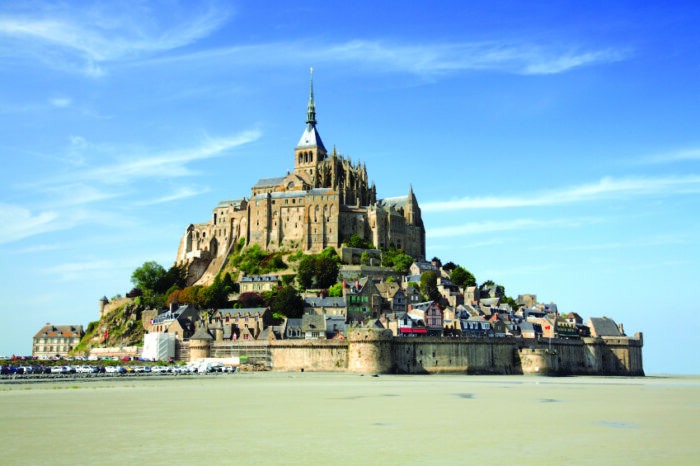
Walking across the bay to Mont-Saint–Michel is a standout highlight. What is it about this experience that turns a history lesson into an unforgettable moment for students?
“Walking barefoot across the bay of Mont-Saint-Michel is an amazing way to connect with nature in this unique environment. A local guide will talk groups through the history of the area, as well as the flora and fauna found in the bay. It really immerses you in the environment, and many groups say it’s the highlight of their trip!”
The Ornavik Viking Village allows students to step straight into the 10th century. How do these immersive environments shift the way young people connect with the past?
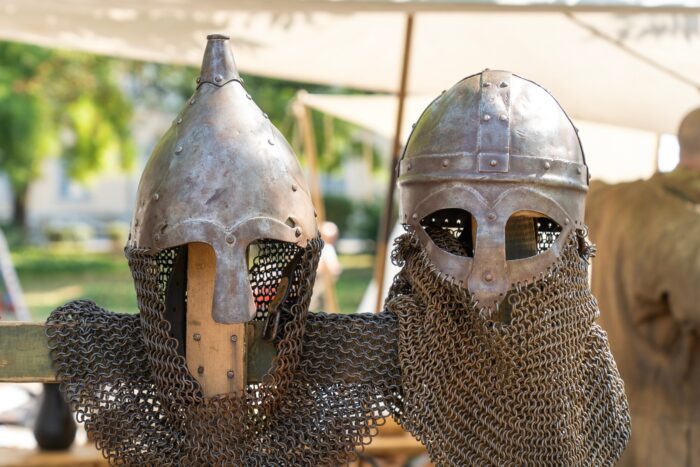
“The Viking Village lets students really experience history to complement their learning. Interacting with costumed actors, feeling the weight of tools and chainmail, and watching craftspeople at work contributes to creating a sensory and interactive environment which sparks curiosity.”
Caen Castle has undergone major renovation and now includes an immersive film experience. Why did you choose this site, and how does this new upgrade support learning key curriculum topics such as Norman England and medieval society?
“The Château de Caen was built by William the Conqueror in around 1060 and was a favourite residence of the Dukes of Normandy. Over the years it has served as a fortress, a barracks, and it even played a key role in WW2.
The Castle has an excellent visitor trail narrated by “Matilda of Flanders” and a new film in the Great Hall showcases 1,000 years of Caen’s history.”
Some of the abbeys on the itinerary, like Abbaye aux Dames, Abbaye aux Hommes, and Cerisy-la-Forêt, played huge roles in Normandy and Britain’s shared history. How do these in-person visits help students understand their significance?
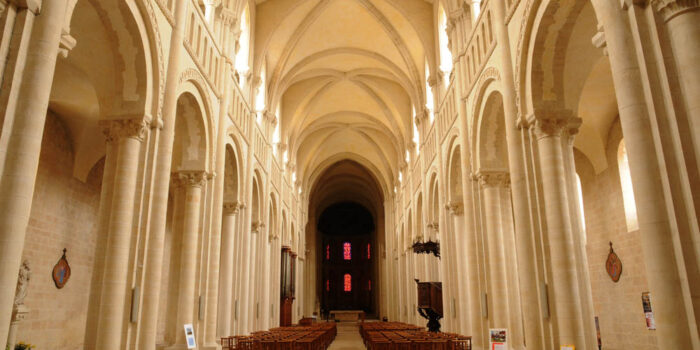
“Visiting these Norman Abbeys gives students an insight into how the Church shaped both Norman and British history, helping them to see the relationship between religion, power and society in the medieval world.
Because Norman abbots, monks, and architectural styles were brought to England after 1066, students can directly link what they see in Normandy to sites they may already know at home.”
The Chateau
Students will stay at our Norman Château, enjoying activities like archery and campfires. How do these moments complement the historical learning that happens during the day?
“After action-packed days at excursions, evenings at the Château provide space for students to take part in activities that encourage discussion, reflection, and teambuilding. These complement everything they’ve seen and done during the day.
We have a range of activities, from frisbee golf and our sensory trail, to problem solving and team challenges. Or you can simply relax at our outdoor heated swimming pool!”
Why is the environment of the Château such an important part of building independence, confidence, and teamwork in students?
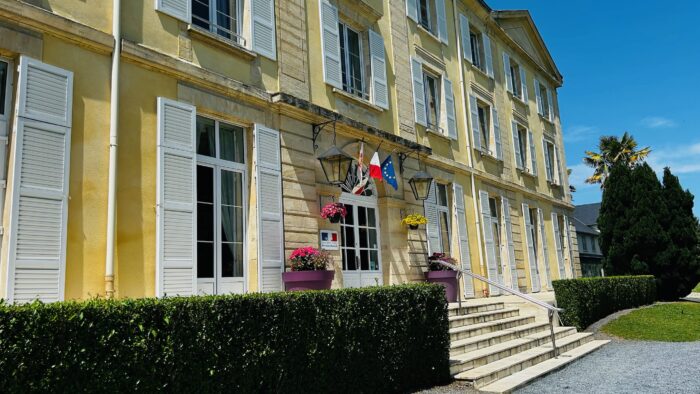
“The Château du Molay is exclusive to school groups and is staffed by an experienced English-speaking team who are on-call 24 hours a day.
Students can take part in our structured activities or enjoy the extensive grounds while they’re not out at excursions. It’s an environment where young people can practice independence and discover their strengths.”
Educational Impact
Schools often ask how trips support classroom learning. How does this tour directly strengthen topics taught across KS2, KS3, and GCSE classrooms?
“This tour strengthens KS2, KS3 and GCSE learning because it turns the key themes of the curriculum: conquest, power, religion, society and conflict, into real, tangible experiences that students can see, touch and stand inside. From the Norman Conquest to D-Day and the Battle of Caen, so many key parts of history can be explored in this area.”
What do you think happens cognitively or emotionally when students stand in the exact places they read about in textbooks; like William’s birthplace, Viking settlements, or medieval abbeys?
“By standing in the places where William the Conqueror lived, ruled, and fought, exploring medieval towns, and immersing themselves in reconstructed Norman and Viking environments, students gain a vivid sense of how the past connects directly to the world they know. It shows them that history is not just facts and figures from a textbook, but decisions, consequences and real people’s lives.”
Feedback for future teachers
How do you hope this trip will shape the way young people think about the Normans, their influence on Britain, and the power of history?
“I hope young people will discover how the decisions made by these historical figures still influence Britain today, and that they will be inspired to travel more widely and delve deeper into history.”
Lastly, what would you say to a teacher who is considering taking their students on this trip for the first time?
“I would tell them that a Normandy trip based at the Château du Molay is one of the most enriching and well supported educational experiences they can offer their students. The Château provides a safe, welcoming base and their students will explore powerful historical sites which bring the curriculum to life.”
Are you ready to step into William’s shoes and experience history with your students?
Comments are closed here.