

With such vast cultural opportunities and landscapes to explore, China has so much to offer for different subjects and UK curriculum aims. For students, it is a place where ancient traditions sit side by side with some of the most exciting technological advances in the world. A journey here can help young people see their classroom learning come alive, whether they are studying History, Geography, Business, or the everchanging world of STEM.
We sat down with our Financial Director, Halley Chan, to discover the future of China and how its continuous digital progression, paired with its extensive heritage, can open the eyes of your students during an educational trip to China. Through her insight, we explore why China remains one of the most powerful destinations for broadening horizons and inspiring the next generation of global thinkers.
What is your relationship with China?
“I was born in the city of Nanning, in southern China. It’s known as a second tier city, but that simply means it’s one of China’s many growing urban centres, as it’s so vast. Although similar in size to somewhere like Brighton and Hove in comparison to the UK, Nanning is home to around nine million people.
I moved to the UK at 17 to continue my studies, but China has always remained close to my heart. My dad, step-mum, uncles and aunts still live there, so my family and I return most years. It’s important for my two daughters to stay connected to their family and explore their heritage culture.”
What inspired you to spend an extended time in China, and what is often the highlight of your visits?
“I usually travel back to China with my two daughters, who are now 12 and 16. Each visit is a chance for us to bring the family together and explore new places, experiences, and cultures. It’s something we all look forward to.
We return to my hometown every year. Over the last 25 years, each visit has shown me just how quickly China is changing. Every time we arrive in Nanning, it feels as though the city has taken another huge leap forward. New high rise buildings appear, underground networks expand, and highspeed rail lines stretch even further across the country.
What I find most inspiring is the development Nanning has achieved. I’ve watched it grow from a modest second tier city into a modern, technologically advanced hub. Yet it has never lost its’ small city warmth. The people remain hardworking, humble, and deeply connected to one another. That combination of innovation and community spirit is one of the reasons I love going back.”
How did being back in China after some time away feel, and did anything surprise you?
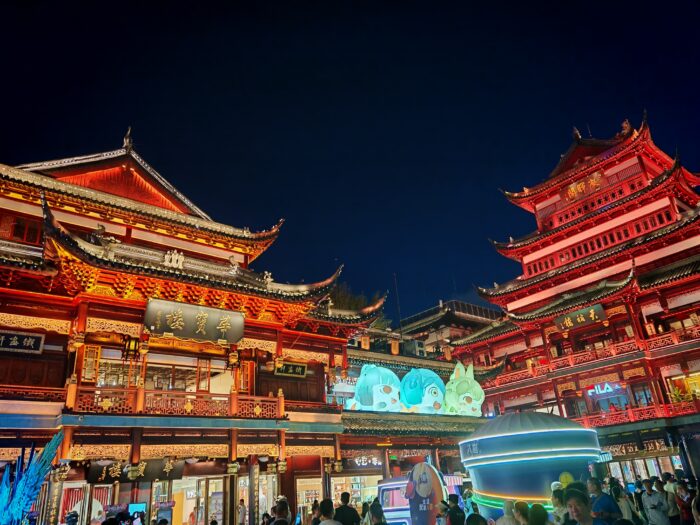
“China is an enormous country, home to more than 700 cities and shaped by 5,000 years of history. It’s scale alone is astonishing, but it’s depth of its culture is what makes it truly special. From the Great Wall of China, one of the Seven Wonder of the World, to the Forbidden City, the Terracotta Army in Xi’an, and the incredible Three Gorges Dam in Hubei, every region tells a different part of China’s story.
Whenever we return, we try to explore two or three new places. Each destination offers something different: a new atmosphere, new traditions, and new ways of seeing the world. This variety is also what makes educational trips to China so eye-opening for students.And somehow, no matter how many times we visit, China always manages to surprise us.”
Planning a school trip to China? Ali tells you what you need to know!
So Halley, what examples of cutting-edge technology did you see in your last visit, that really impressed you?
“Over the last decade, China has invested heavily in renewable energy and cleaner ways of living. As part of its five-year sustainability plans, China has made remarkable progress in reducing air pollution, with 95% of cars being all electric. This commitment to greener transport and lower carbon emissions is clear to see when you travel through its cities.
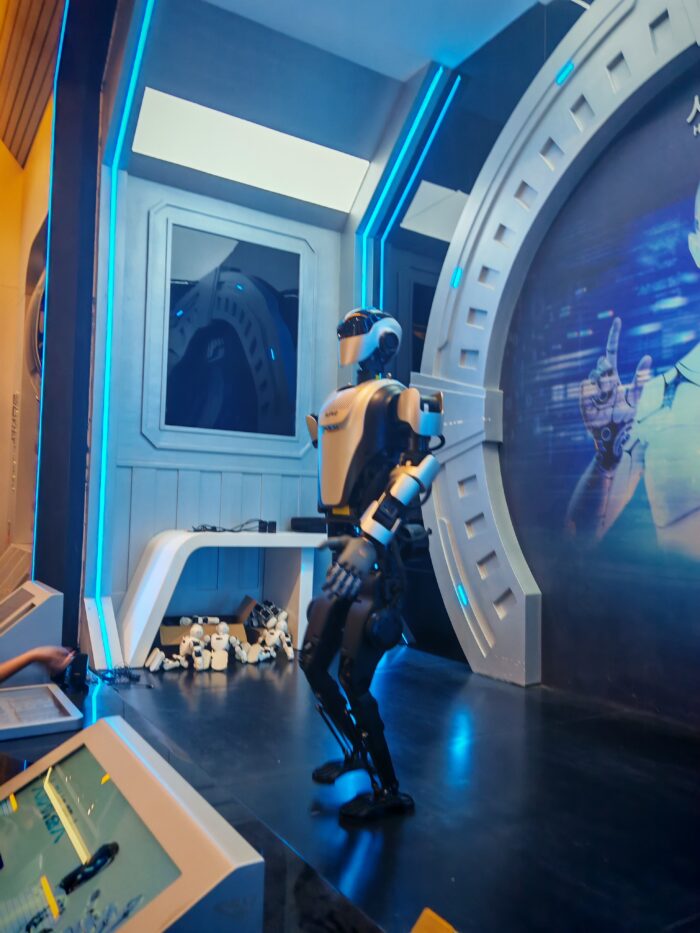
Another area that feels exciting for visitors is the rise of everyday robotics. In hotels and office buildings, it’s now common to see small robots helping with tasks such as room deliveries or cleaning. Restaurants use them too, guiding dishes to tables with quiet precision. It’s a glimpse into a future where technology supports people and makes daily life smoother, a powerful learning opportunity during STEM school trips to China.”
How do you think China’s approach to innovation differs from what our students see in the Europe of UK?
“Having grown up in China and now lived many years in the UK, I can see the strengths of both places. The UK is good in terms of creating the idea and being innovative. We’ve got lots of great universities which have outstanding reputation, and a lot of R&D projects.
But what continues to amaze me in China is the sheer scale of progress. One of the most impressive development is the expansion of the highspeed rail network, connecting 700 cities across thousands of kilometres. To put it into perspective, if we were to drive from Brighton to Manchester, it would take around 6 hours, but it could be completed in just over an hour using China’s high-speed trains.
For students, witnessing this blend of innovation and ambition is eye opening, particularly for a school trip to China which is focused on STEM or Geography. It shows students what can happen when a country invests in the future, and it offers powerful lessons about engineering, geography, sustainability, and global development. It’s exactly the kind of experience that can spark curiosity and inspire new ways of thinking back in the classroom.”
So for our STEM students, what lessons can they learn from China’s rapid development in areas like AI, green energy or infrastructure?
“I think renewable energy is one of China’s top agendas. It’s not just a concept to learn in the classroom, it’s something students can see in action on a huge scale.
China produces many of the batteries used in electric vehicles around the world, which makes electric cars more affordable and accessible for everyday people. Instead of a petrol station, it’s more common to see a battery changing station, where you drive your car there, change your battery, and go. Sustainable development like this shows students how creative engineering can solve major global challenges.
Shenzhen is another example of China’s forward thinking approach. It’s often described as the heart of consumer technology, with thousands of small shops experimenting with new ideas and producing cutting edge gadgets. From smart watches to advanced hair tools like a Dyson dupe, many products offer impressive functionality at a fraction of Western prices. For educational STEM tours in China in particular, it’s an eye opening place to visit, a city where they can see renewable energy, manufacturing, and digital innovation working together across different industries.
Experiencing this first-hand helps young people understand how technology develops, why sustainability matters, and how ideas move from a sketch on a page into real, everyday solutions. It’s learning brought to life.”
In some of your more recent visits, did you visit any historical sites and how do they help you understand China’s identity today?
“We visited the Great Wall of China, one of the Seven Wonders of the World. Seeing it in person helps you truly understand its’ importance within Chinese history and culture. The wall was built thousands of years ago, long before modern machinery existed. Every section reflects the teamwork, strength, and determination of the people who built it.
There is a saying in China that: “He who has not climbed the Great Wall is not a true man.” When you see the wall stretched across the mountains, disappearing into the mist, you understand why. The scale of the wall gives you goosebumps. It is powerful, humbling, and unforgettable.
For students, it is an extraordinary place to experience. The Great Wall brings lessons from History, Geography, and Engineering to life; showing young people what human perseverance can achieve. It is a wonder I would recommend to anyone, and is a highlight of many school trips to Beijing.”
Halley, how important is language in truly understanding Chinese culture and society?
“As someone who came to the UK and learned English as a second language, I know how valuable it is to speak more than one language. Being multilingual helps you to understand a culture more deeply. It allows you to see the world from different perspectives, not just through words, but through the ideas and traditions behind them.
The Chinese language in particular, is far more than a tool for communication. Each character carries stories from thousands of years of history. When you learn Mandarin, you are not only learning how to speak; you are connecting with 5,000 years of heritage, philosophy, and cultural identity.

For many students, this can be incredibly inspiring. And because we know how important language learning is for young people, our Travelbound tours can support Mandarin study; helping pupils practise key phrases, engage with local culture, and build confidence in real life situations.”
What advice would you give to students learning Mandarin who want to practise in China?
“Learning another language is about having the courage to make mistakes. The more you try, the more you grow. I realised this when I first came to the UK; at the beginning, I struggled to understand what people were saying. But with practice, and by getting things wrong along the way, my confidence grew.
Chinese people are incredibly friendly and welcoming. They enjoy chatting, and they appreciate it when visitors make the effort to speak even a few words of Mandarin. When I take my girls to China, I always encourage them to try their Mandarin with local people. It’s a gentle way to learn, and they receive so much encouragement in return.”
What surprised you most about everyday life in China compared to the UK?
“Every time we leave China and travel home, we feel inspired and energised. There is something remarkable about the spirit of the people. Even during challenging economic moments, such as the recent housing market downturn, you rarely hear complaints. Instead, people focus on what they can do, not what they can’t.
For me, that resilience is deeply motivating. Living in the UK, it’s easy to take many things for granted. But when you see how people in China meet difficult times with hard work and hope, it gives you a fresh perspective. It reminds you how much can be achieved with patience, effort, and a positive outlook, lessons that are incredibly valuable for young people to witness first-hand.”
Where do you see China heading in the next decade in terms of technology and global influence?
“Looking ahead to the next decade, I believe China will continue to grow in influence across technology, sustainability, and global innovation. The country has already shown the world what is possible when long-term planning meets large scale action.
From renewable energy to artificial intelligence, many of these technologies are already being used nationwide, shaping everyday life in a very real way.
Having lived in both the UK and China, I can see how much we can learn from this approach. China thinks in the long term; building for the future and investing in infrastructure that supports millions of people. This mindset is likely to shape global developments over the next 10 years, influencing how countries collaborate and how new technologies spread across the world.
For students, witnessing this ambition first hand is incredibly powerful. It helps them understand how different nations plan, adapt and innovate, and it encourages them to think about their own role in a rapidly changing world.”
Why do you think it’s important for young people to experience China now?
“China is developing at an extraordinary pace, which is why I think it is especially important for young people to experience it now through a China school trip. The technology I saw during our visit last summer, from the rise of electric vehicles to advancement of high-speed rail, has already moved on again. In my hometown alone, around 10-20% of taxis are now driverless. It feels as though each year the country takes another step into the future.
Artificial intelligence is also becoming a normal part of life, used in offices, shops, and public buildings. For students, witnessing these changes first hand offers a powerful understanding of how innovation shapes communities and creates new ways of living.
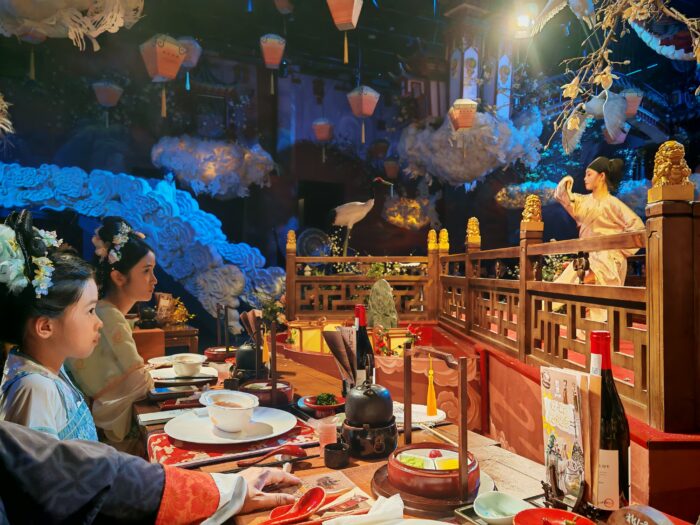
A visit to China allows young people to explore all of this alongside the country’s deep history and rich culture, one of the many reasons to organise an educational tour to China. It brings together the past, present, and future in a way no textbook can fully capture. They can walk through ancient streets one moment and see cutting edge technology the next. It’s a completely different system to the UK, and experiencing that contrast can be genuinely lifechanging.
For many students, a journey like this expands their horizons, builds confidence, and inspires them to think about the world, and their place within it, in new and exciting ways.”
Ready to take your students to country with endless educational possibilities?
Comments are closed here.