

*Visa costs not typically included in price
Recommended excursions
Shanghai is a city which is constantly innovating. From coffee-delivering drones to humanoid robots which give guided tours at the city’s museums, see how robotics, AI and smart technology are integrated into everyday life here. Your local guide will show your students how to use the metro, pay for souvenirs, order lunch, find city information and translate using only their phones as you move around the city.
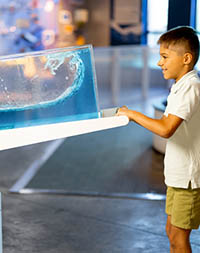
This museum is a massive educational complex, which aims to make science accessible through hands-on interaction rather than static displays. Amongst the most advanced in Asia, its cinemas showcase IMAX and 4D technology, while the exhibits span scientific breakthroughs, the impact of technology on our daily lives and scientific challenges of the future.
Featuring exhibits such as Space Navigation, World of Robots and Information Era, this recently renovated museum is one of the world’s largest science centres and integrates cutting-edge technology into its exhibits.
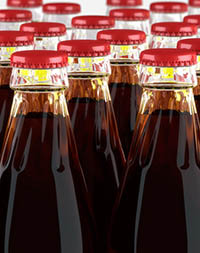
This is the largest Coca-Cola bottling plant in Asia, giving visitors a chance to see the high-speed production lines and learn about the history of the brand in China. Perfect for anyone interested in hi-tech production and manufacturing for one of the world’s most recognisable brands.
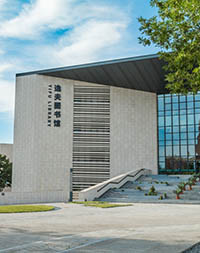
Visit one of Beijing’s universities for a campus tour tailored to your subject interests, entrance to the university museum and a Q&A session with students or a member of the staff.
This working research facility with an on-site computer science museum is home to some of the world’s most groundbreaking and powerful computers. Its supercomputers power national projects in China, including weather forecasting and aerospace design. See the supercomputers in action and follow the evolution of computing at the museum.
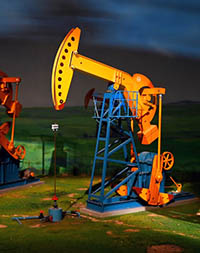
Bao Steel Factory is a large iron and steel conglomerate and is the second largest steel producer in the world with an annual production is approximately 20 million tons. The Factory employs around 109,000 employees, has annual revenue of around $21.5 billion and produces a mix of high-quality products.
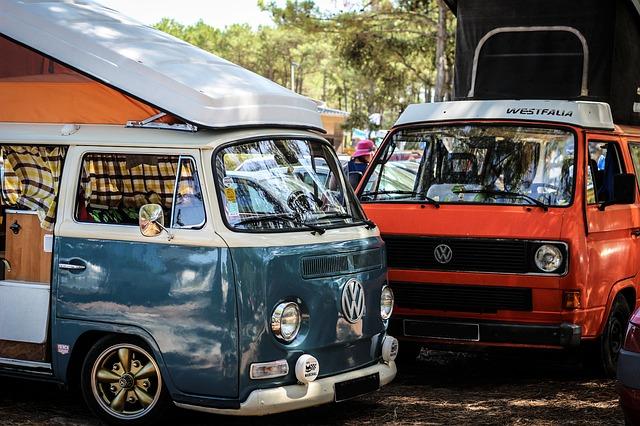
Shanghai Volkswagen Factory was founded in 1985, the first joint-venture company in China. Visit the assembly line workshop where different parts of the car are put together. Volkswagen also plans to start production of electric cars at its two Chinese joint ventures, Shanghai Volkswagen and FAW Volkswagen, increasing production to 100,000 vehicles by 2018.
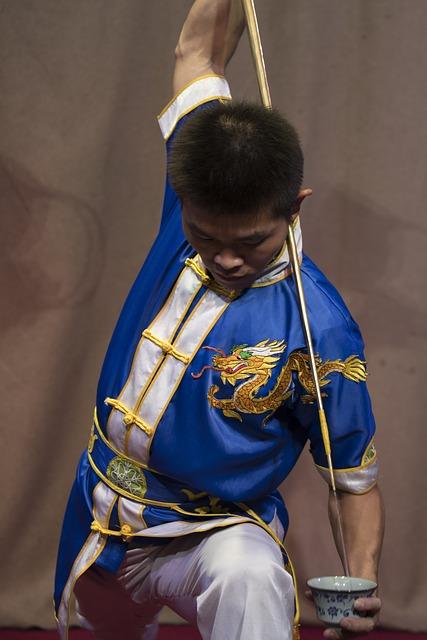
The Legend of Kung Fu tells the story of how the famous martial art originated, with a young monk on the path to enlightenment and the trials he encounters on the way. Fusing modern dance with traditional Chinese arts, it has an important message told through spectacular performances of Kung Fu and acrobatics, making it easy to follow the plot.
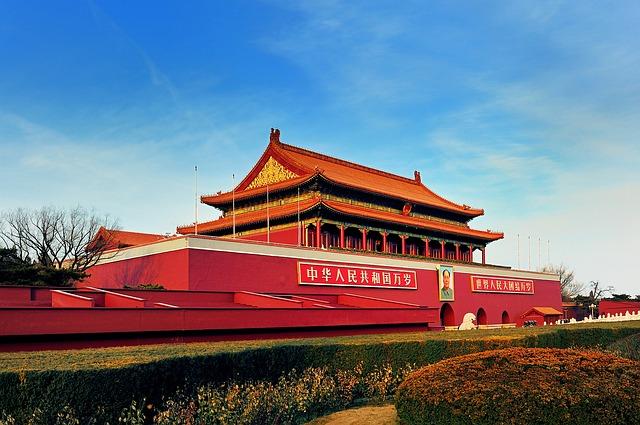
It was here on October 1st 1949 that Chairman Mao Tse-Tung announced the founding of the People’s Republic of China to the world. Built during the Ming Dynasty the square is named after Tiananmen Gate, which lies to the north. It’s the third largest of its kind in the world and a significant cultural landmark with the People’s Heroes monument in the centre.
This palace lies at the heart of Beijing and was the home of the emperors for over 500 years. Completed in 1420, it is the biggest palace complex in the world covering 74 hectares. Surrounded by a 52m-wide moat, it’s an adventure to explore the labyrinth of rooms, halls and gardens with magnificent decoration and rare curiosities throughout.
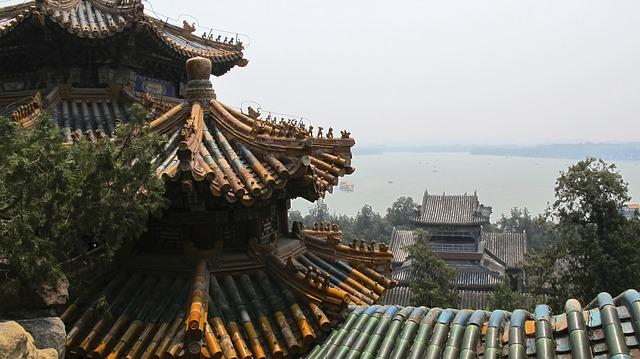
Situated just outside Beijing, the Summer Palace is the grandest and most well preserved park in China. Construction began in 1750 on these luxury gardens for the royal family, and gradually they have been developed into the magnificent expanse of lawns, streams, bridges, secret gardens and pavilions scattered across the shores of the Kunming Lake.
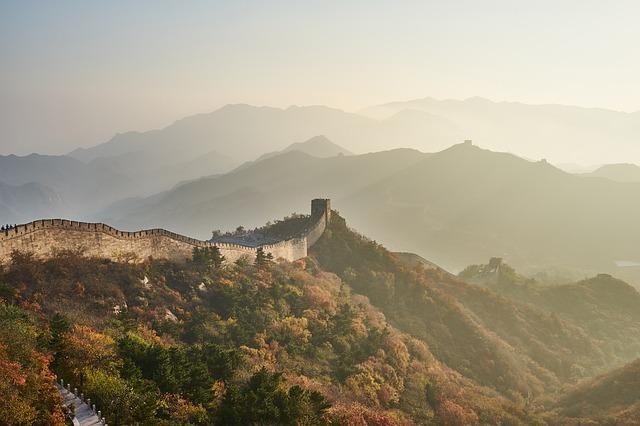
Considered to be one of the wonders of the world, the Great Wall today was built in Ming Dynasty and is over 6,000 km long. An amazing feat of defensive architecture, intended to protect the Chinese Empire from invaders, it winds a path over rugged country and steep mountains. Sections within easy reach of Beijing have been restored so that visitors can walk on the wall and see the watch towers.
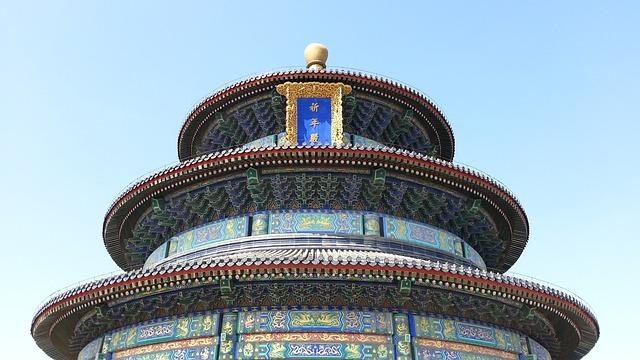
Once used by emperors in the heaven worship ceremony, the temple park in Beijing is now one of the grandest examples of China’s sacrificial buildings. First built in 1420, the temple has been enlarged and rebuilt by both the Ming and Qing dynasties. At the heart of the Temple is the Hall of Prayer for good harvest, where the Emperor requested good harvests in his divine capacity as the son of heaven.
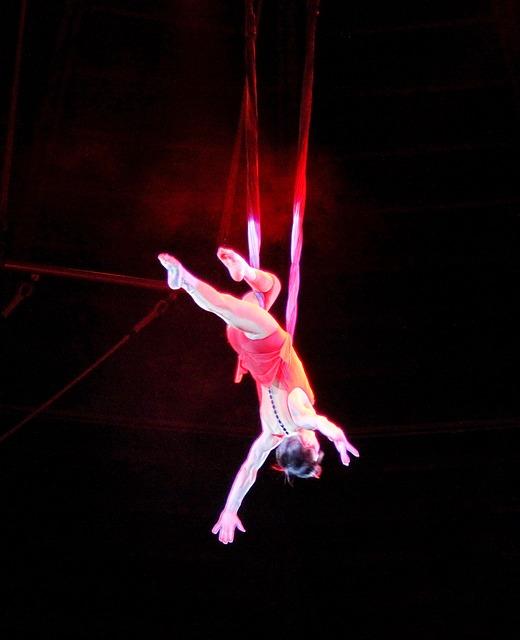
Acrobatic art is a traditional Chinese performing art rooted in Chinese culture and dating back to 475-221BC. The ancient acrobatics reflected the lives of the Chinese people and today, all provinces of China have their own acrobatic troupes. Acts such as group gymnastics, meteor juggling and tight rope feats make for a spectacular show for the students.
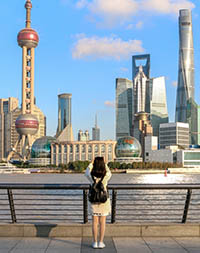
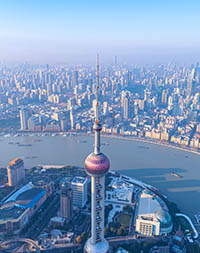
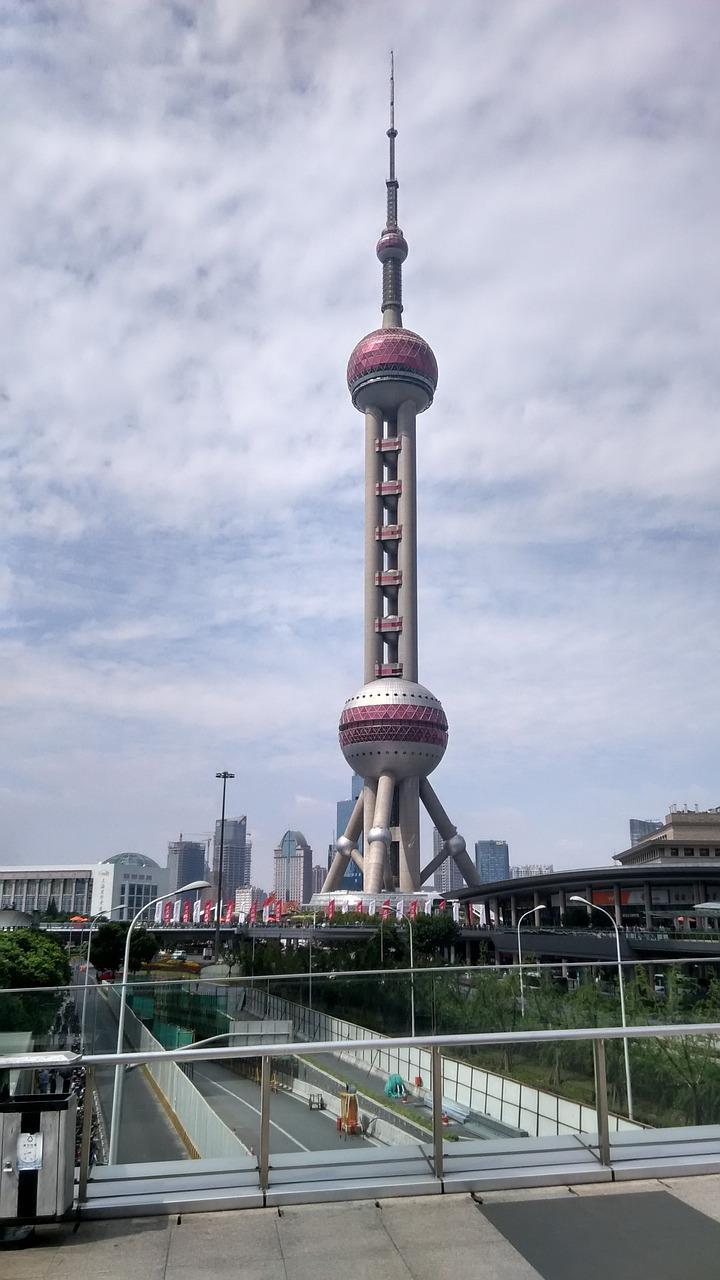
This iconic TV tower in Shanghai stands 468 m (1,535 feet) high, and was the tallest structure in China until 2007. Eleven spheres are arranged in a row descending to a carpet of green lawn with the conceptual design of large and small pearls falling to a jade plate. It is the second most popular tower visit in the world after the Eiffel Tower in Paris.
Typical accommodation
Why groups like it:
Facilities:
How we help you

Booking

Safety

Risk Assessments

Insurance