

*Visa costs not typically included in price
Recommended excursions
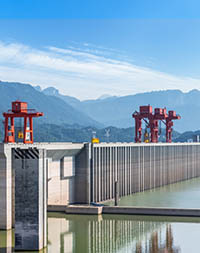
The Three Gorges Dam is the world’s largest hydroelectric power station, stretching across the Yangtze River in central China. Built to control flooding and generate clean energy for millions of homes, the dam is an impressive example of modern engineering. During a site visit, students can learn how the dam generates electricity, explore its environmental impact and enjoy panoramic views of the river and surrounding mountains. The dam is a fascinating site that links geography, science and engineering in a real‑world setting.
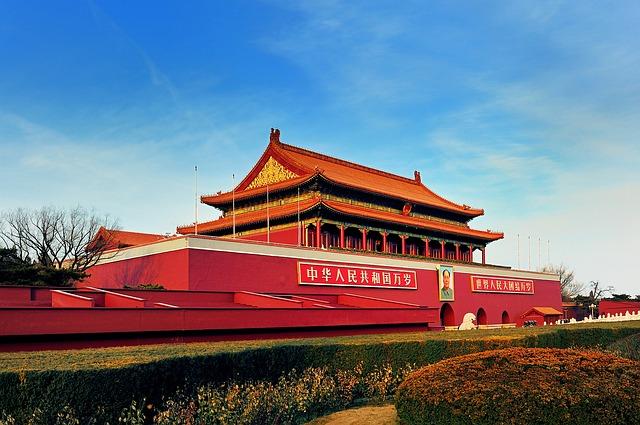
It was here on October 1st 1949 that Chairman Mao Tse-Tung announced the founding of the People’s Republic of China to the world. Built during the Ming Dynasty the square is named after Tiananmen Gate, which lies to the north. It’s the third largest of its kind in the world and a significant cultural landmark with the People’s Heroes monument in the centre.
This palace lies at the heart of Beijing and was the home of the emperors for over 500 years. Completed in 1420, it is the biggest palace complex in the world covering 74 hectares. Surrounded by a 52m-wide moat, it’s an adventure to explore the labyrinth of rooms, halls and gardens with magnificent decoration and rare curiosities throughout.
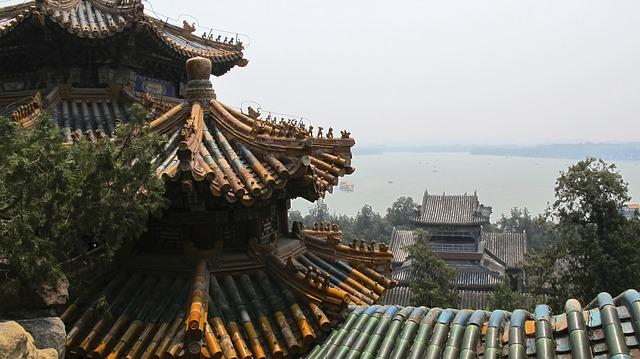
Situated just outside Beijing, the Summer Palace is the grandest and most well preserved park in China. Construction began in 1750 on these luxury gardens for the royal family, and gradually they have been developed into the magnificent expanse of lawns, streams, bridges, secret gardens and pavilions scattered across the shores of the Kunming Lake.
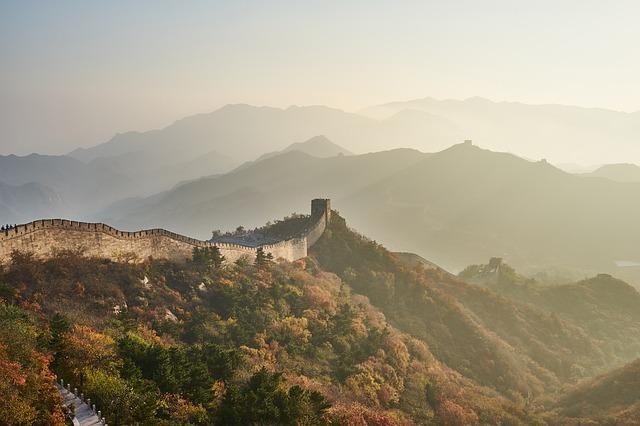
Considered to be one of the wonders of the world, the Great Wall today was built in Ming Dynasty and is over 6,000 km long. An amazing feat of defensive architecture, intended to protect the Chinese Empire from invaders, it winds a path over rugged country and steep mountains. Sections within easy reach of Beijing have been restored so that visitors can walk on the wall and see the watch towers.
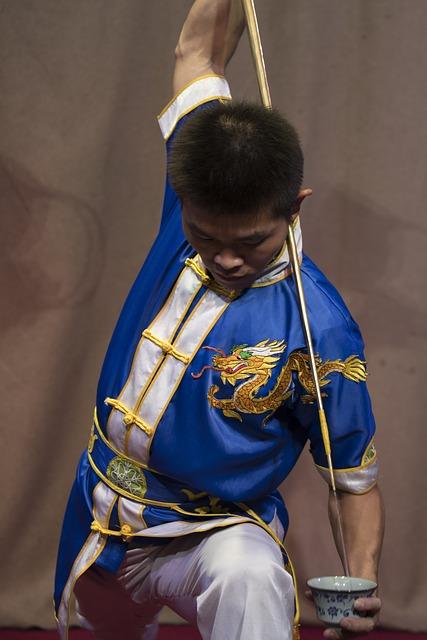
The Legend of Kung Fu tells the story of how the famous martial art originated, with a young monk on the path to enlightenment and the trials he encounters on the way. Fusing modern dance with traditional Chinese arts, it has an important message told through spectacular performances of Kung Fu and acrobatics, making it easy to follow the plot.
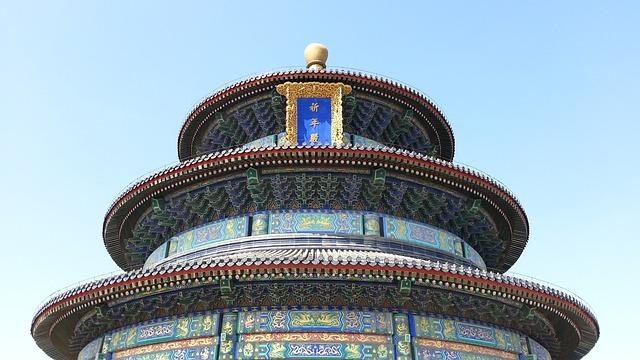
Once used by emperors in the heaven worship ceremony, the temple park in Beijing is now one of the grandest examples of China’s sacrificial buildings. First built in 1420, the temple has been enlarged and rebuilt by both the Ming and Qing dynasties. At the heart of the Temple is the Hall of Prayer for good harvest, where the Emperor requested good harvests in his divine capacity as the son of heaven.
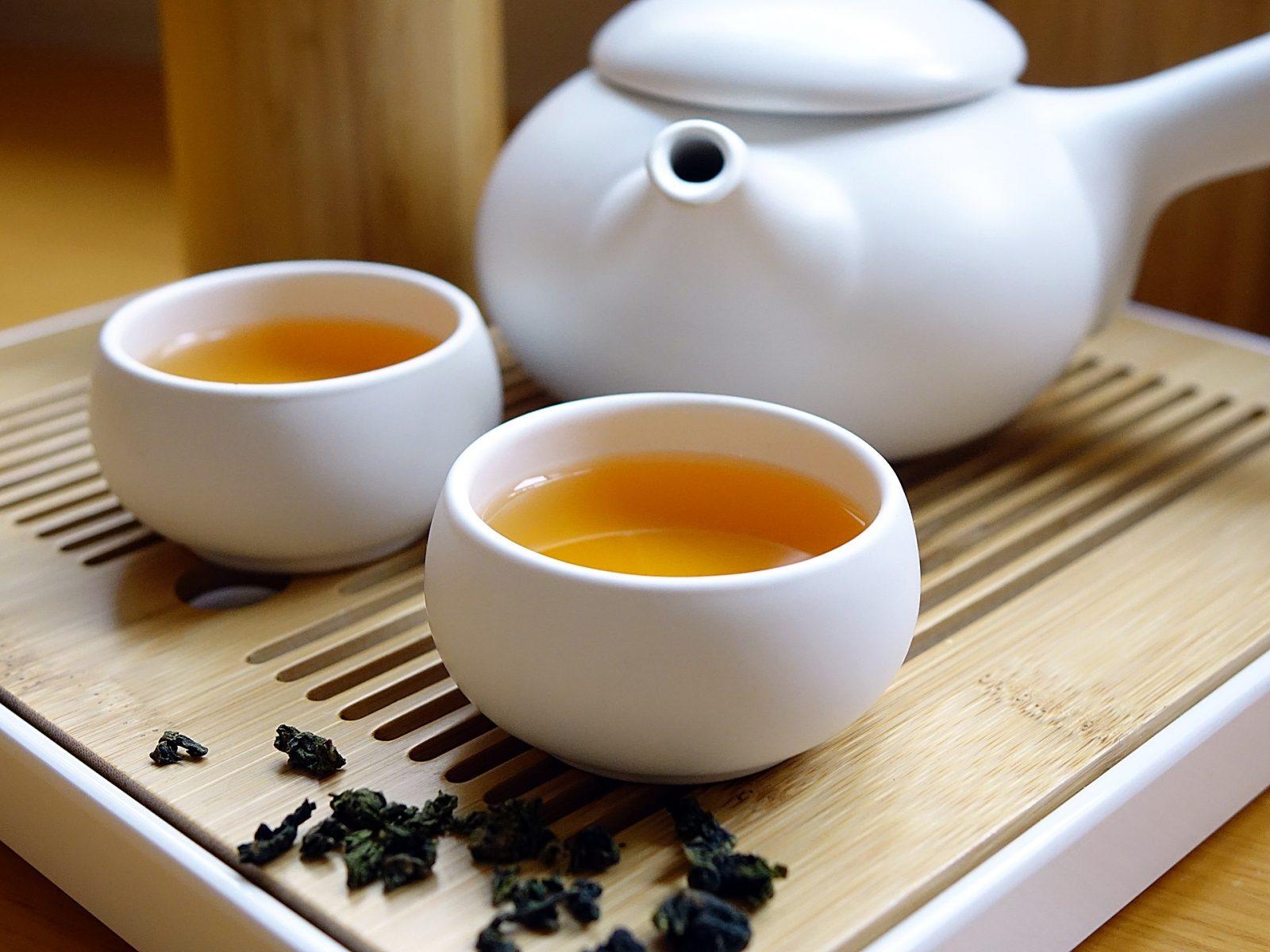
The Chinese tea house has the same cult following as our coffee shop culture. It’s a great way for students to get a taste of oriental tea tradition. The tea ceremony reveals different types of scent, colour, taste and brewing methods for individual blends and their health benefits. The ceremony is an art form and a joy to watch before enjoying a cup.
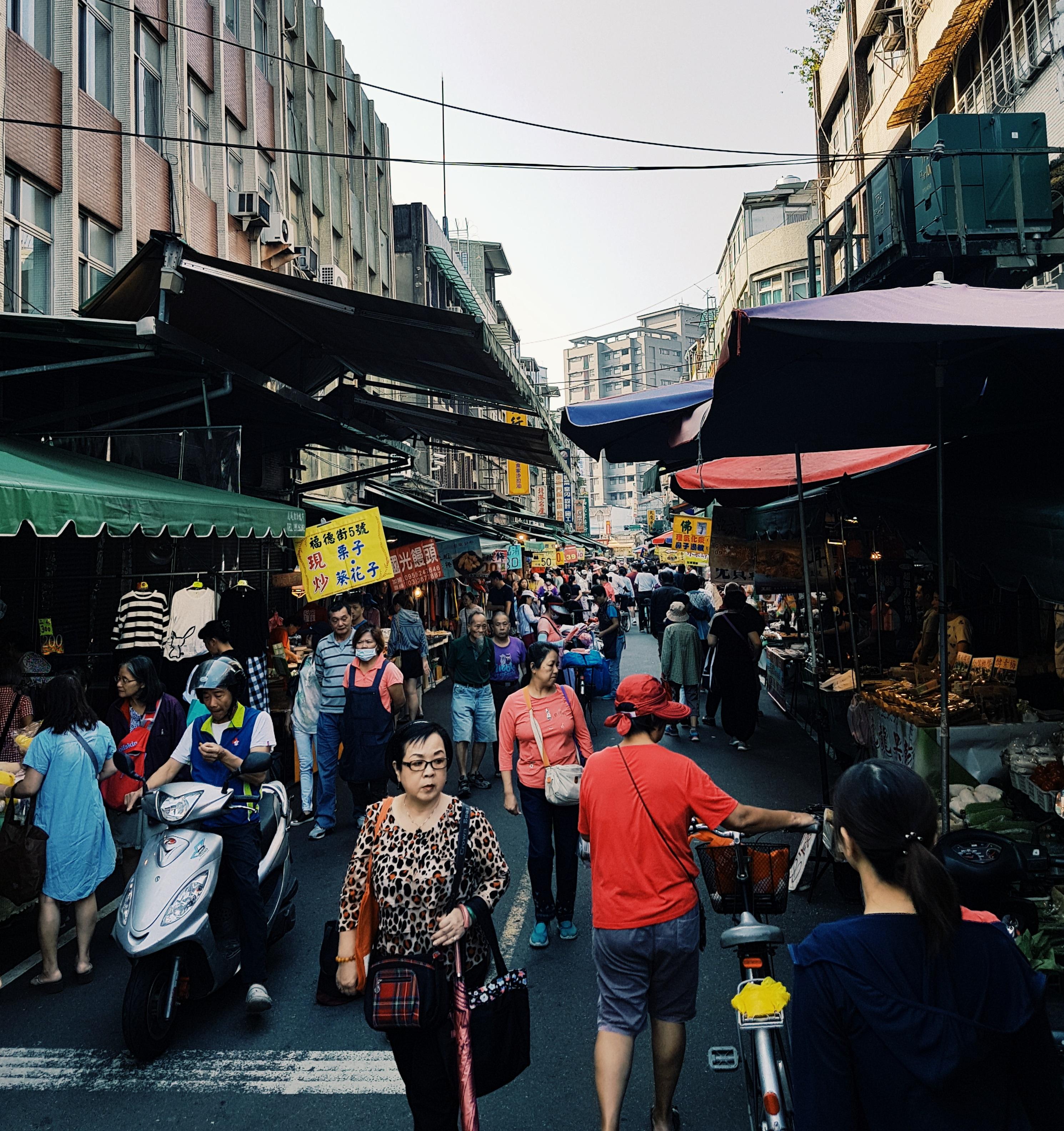
Take a walking tour through Beijing’s traditional back alleys known as Hutongs. See traditional courtyard residences characteristic of how the majority of the population lived in Beijing until the mid-twentieth century. Many Hutongs have been demolished in recent years to make way for modern development but some areas have been protected because of their historical and cultural significance.
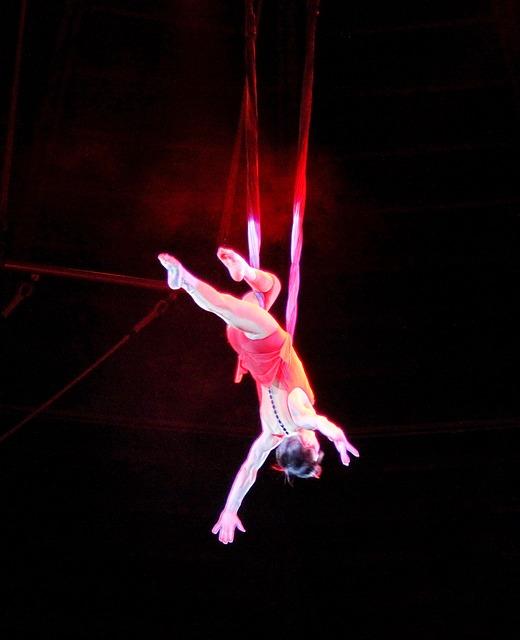
Acrobatic art is a traditional Chinese performing art rooted in Chinese culture and dating back to 475-221BC. The ancient acrobatics reflected the lives of the Chinese people and today, all provinces of China have their own acrobatic troupes. Acts such as group gymnastics, meteor juggling and tight rope feats make for a spectacular show for the students.
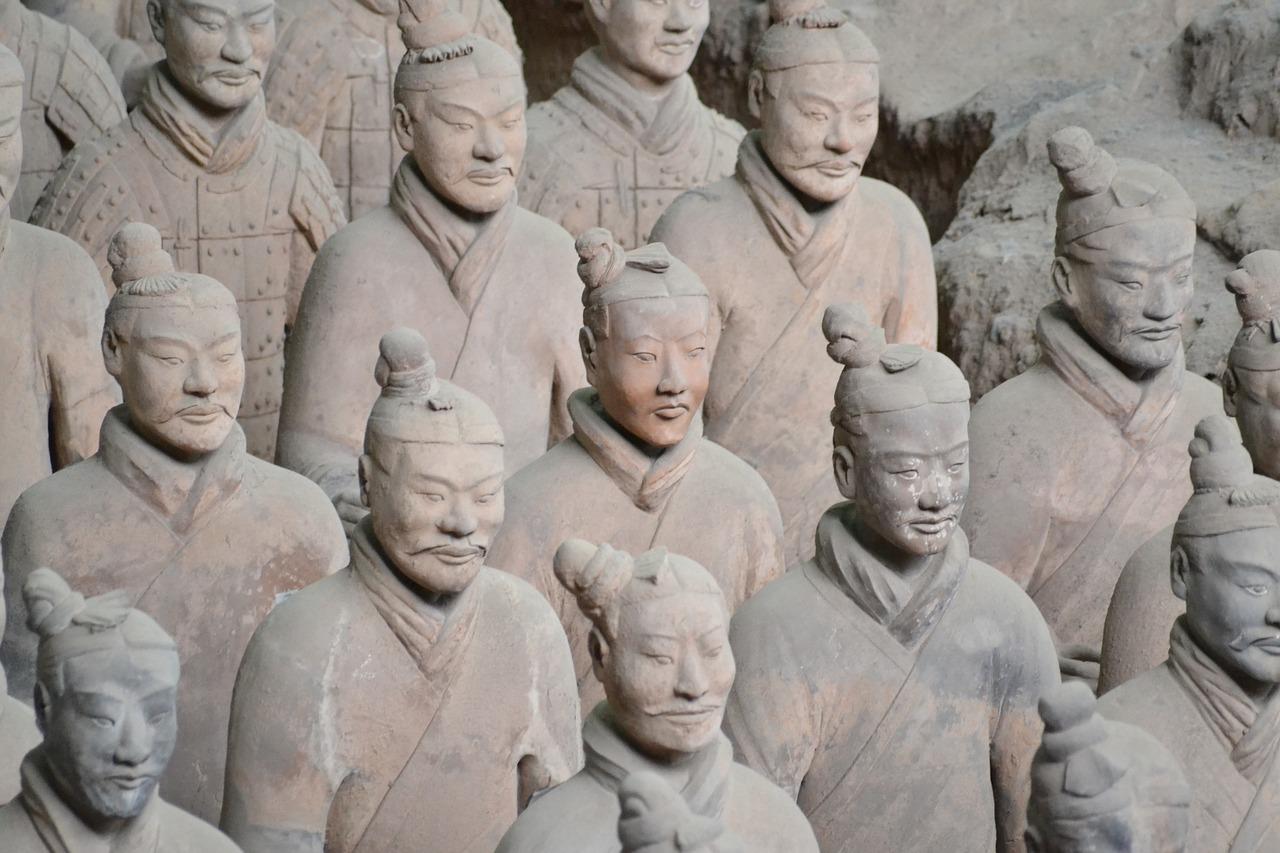
Visit this marvellous exhibition of treasures from an archaeological dig that began in 1974 near the tomb of Emperor Qin Shi Huang. During his reign (246-221BC) an army of nearly 7,000 warriors was made and then buried in pits to guard the emperor in the afterlife.
Tip: Each statue has individually carved features and represents the ancient imperial guard uniform.
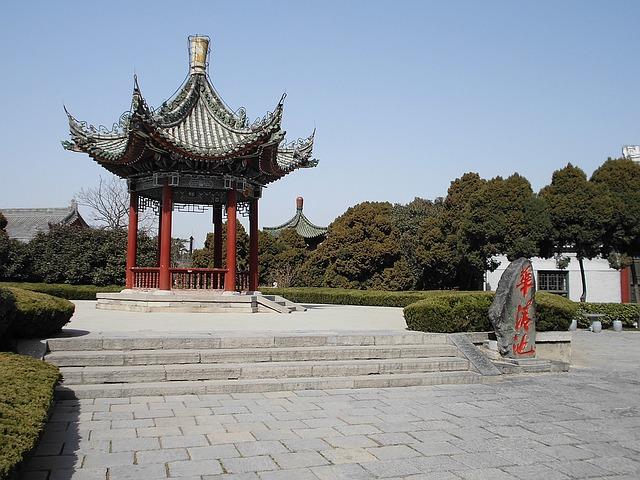
Located at the northern foot of Mount Lishan, Huaqing Pool is famous for its beautiful spring landscape and rich history rooted in the Tang Dynasty. The network of plunge and bathing pools with ancient ruins is an exciting way to learn about Chinese spa history.
Tip: The water of the Guifei Pool is known to be mineral rich and has a therapeutic effect on the skin.
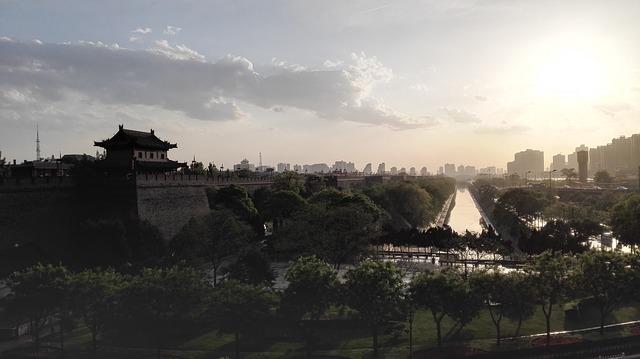
Xian is one of the oldest cities in China and was the starting point of the famous Silk Road. The city walls are flanked by a deep moat and are the largest example of ancient military defences in the world. Our tour takes in the Big Wild Goose Pagoda in the south, and the Hui Muslim Quarter in the north where students get a sense of Xian’s cosmopolitan vibe.
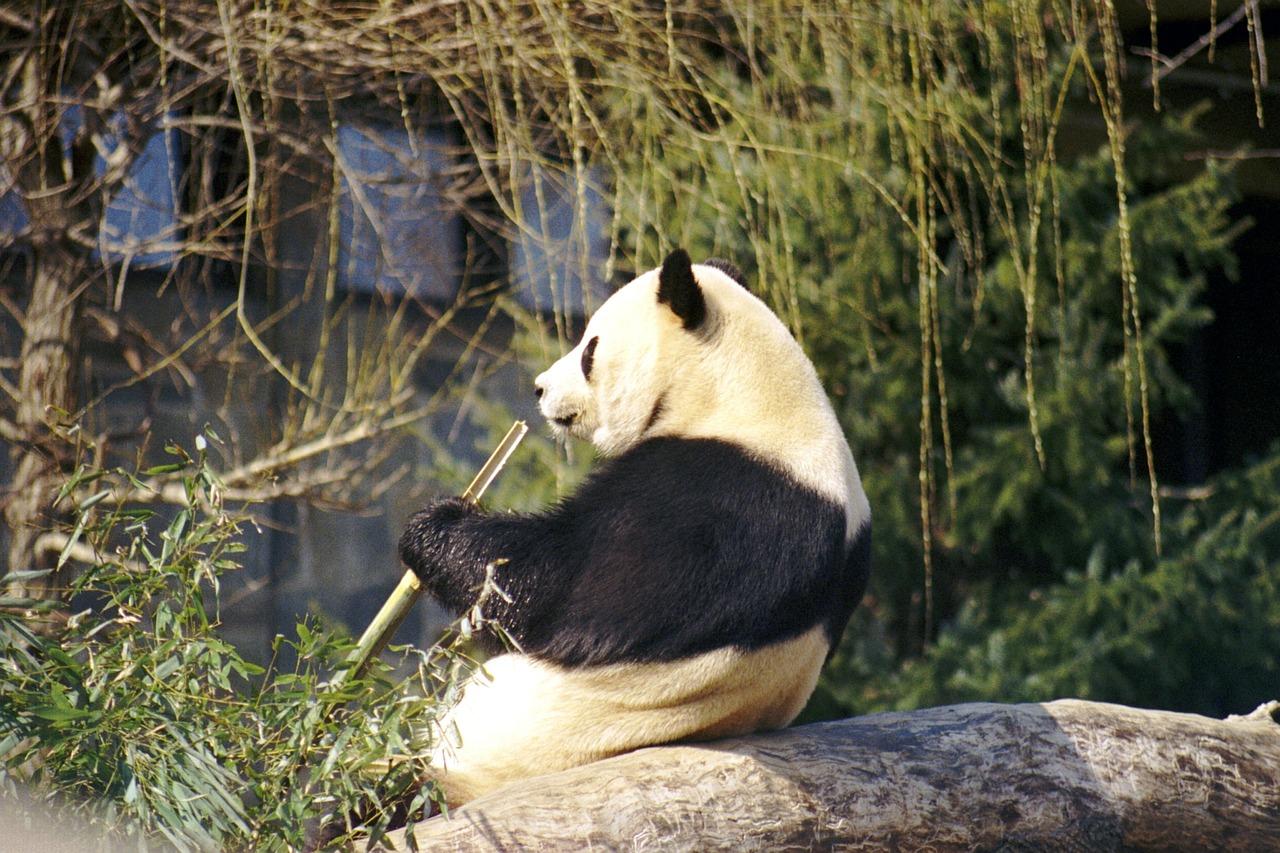
An opportunity to get up close to the Giant Panda and learn more about this much loved animal and the efforts being made to protect it. Students spend the morning completing volunteering activities at the panda conservation centre which can include cleaning the enclosures, preparing panda food, planting bamboo trees and visiting the Panda Centre of Science and Education.
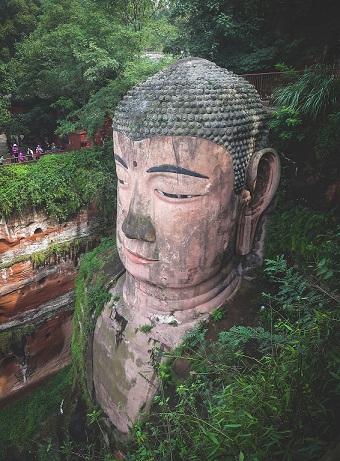
This 71 metre tall stone statue is carved out of red sandstone in the cliff face at the confluence of the Min, Qingyi and Dadu Rivers. The statue was built for the local population during the Tang Dynasty between 713 and 803 to calm the river spirits in the turbulent waters. This is the largest stone Buddha in the world and a UNESCO World Heritage Site.
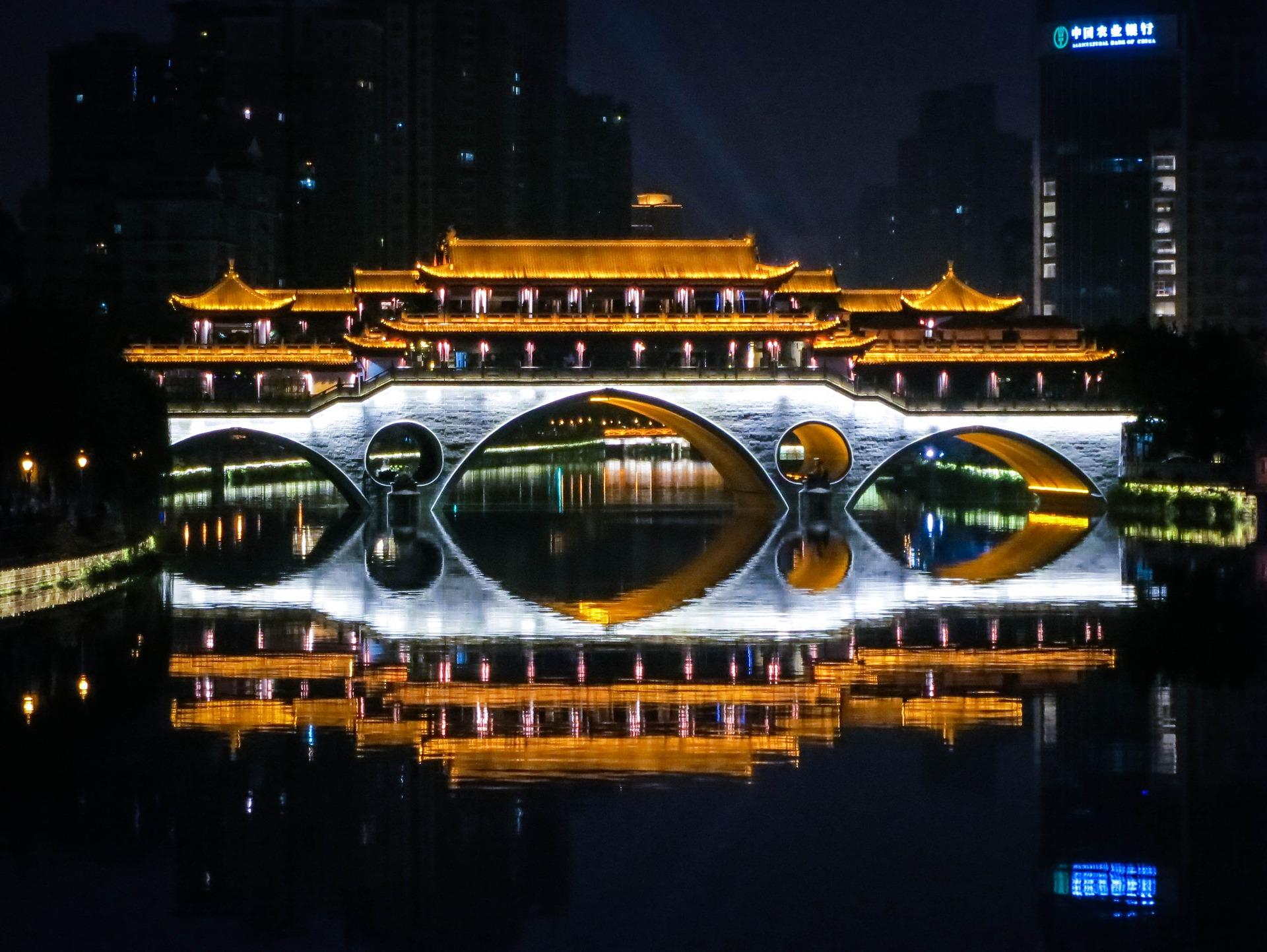
Visit the Wide and Narrow Alleys in the Ming and Qing architectural styles which together with Jinli Street form part of the historic and cultural area of Chengdu. Nearby Wuhou Temple was built to commemorate Zhuge Liang, the Marquis Wu of the Kingdom of Shu during the Three Kingdoms Period (220 – 280). The People’s Park was built in 1911 complete with artificial lake and a teahouse. A monument commemorates the martyrs of the Railway Protection Movement which overthrew the Qing Dynasty.
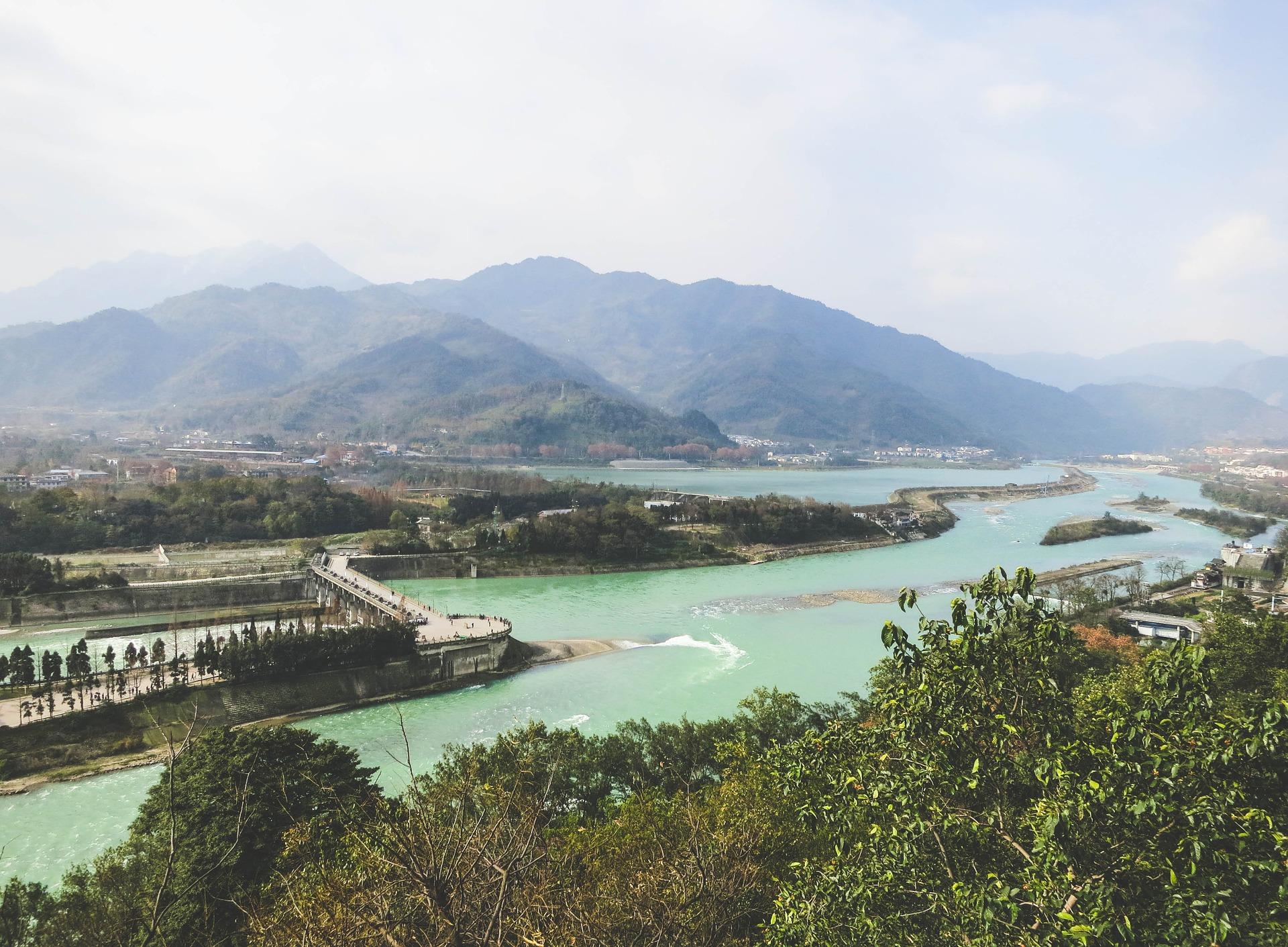
Built during the Qin Dynasty (221 – 207 BC) this great engineering project controls the river water to prevent flooding, irrigate the land and provide a water supply for over 50 cities in the region – all without the use of dams.
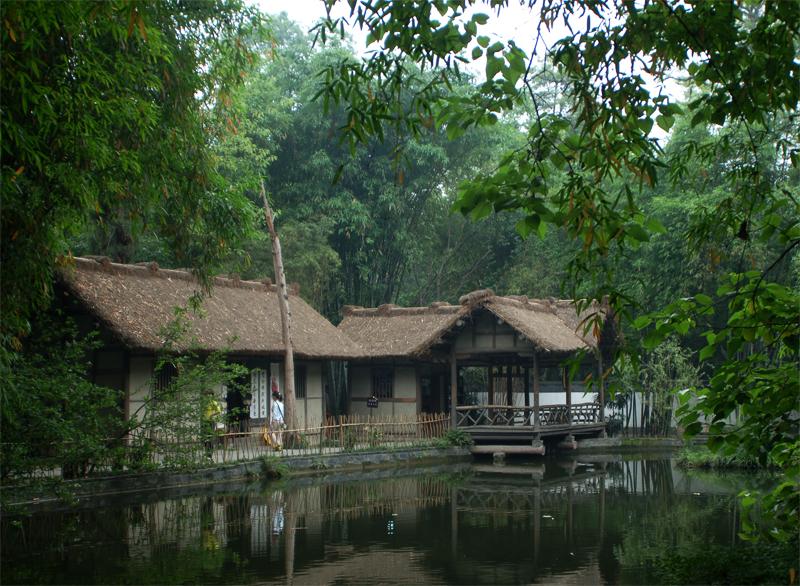
The reconstructed Cottage, set in a large park, was the former home of the Tang Dynasty poet Du Fu, sometimes referred to as China’s Shakespeare. During the four years Du Fu lived in the Cottage from AD759 he wrote over 240 poems. The history of the Tang Dynasty can be discovered through his poetry. Other buildings in the park include a museum of historic poetry, a memorial temple in ancient Chinese architectural style and a pagoda.
Typical accommodation
Why groups like it:
Facilities:
How we help you

Booking

Safety

Risk Assessments

Insurance