An Unforgettable Experience Awaits
Take your students on a school Classics trip to Rome and explore the remains of palaces, public arenas and triumphal monuments in the heart of the Roman Empire.
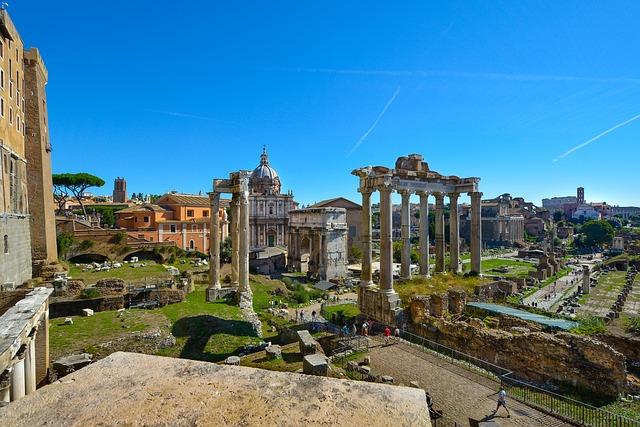
A Roman history school trip can bring their studies to life at the Colosseum, Roman Forum and Palatine Hill, helping students connect ancient buildings with the politics, culture and daily life they have learned about.
Trip Highlights
The Colosseum, largest amphitheatre in the world
First century palaces at Palatine Hill
The battle frieze on Trajan’s Column
Learn combat techniques at Gladiator School
Itinerary suggestion
1 Flight to Rome, about 2.5 hours
2 Coach to accommodation
3 Trevi Fountain and Spanish Steps (flight time permitting) – evening meal
1 Breakfast
2 Colosseum, Roman Forum and Palatine Hill
3 Evening meal
1 Breakfast
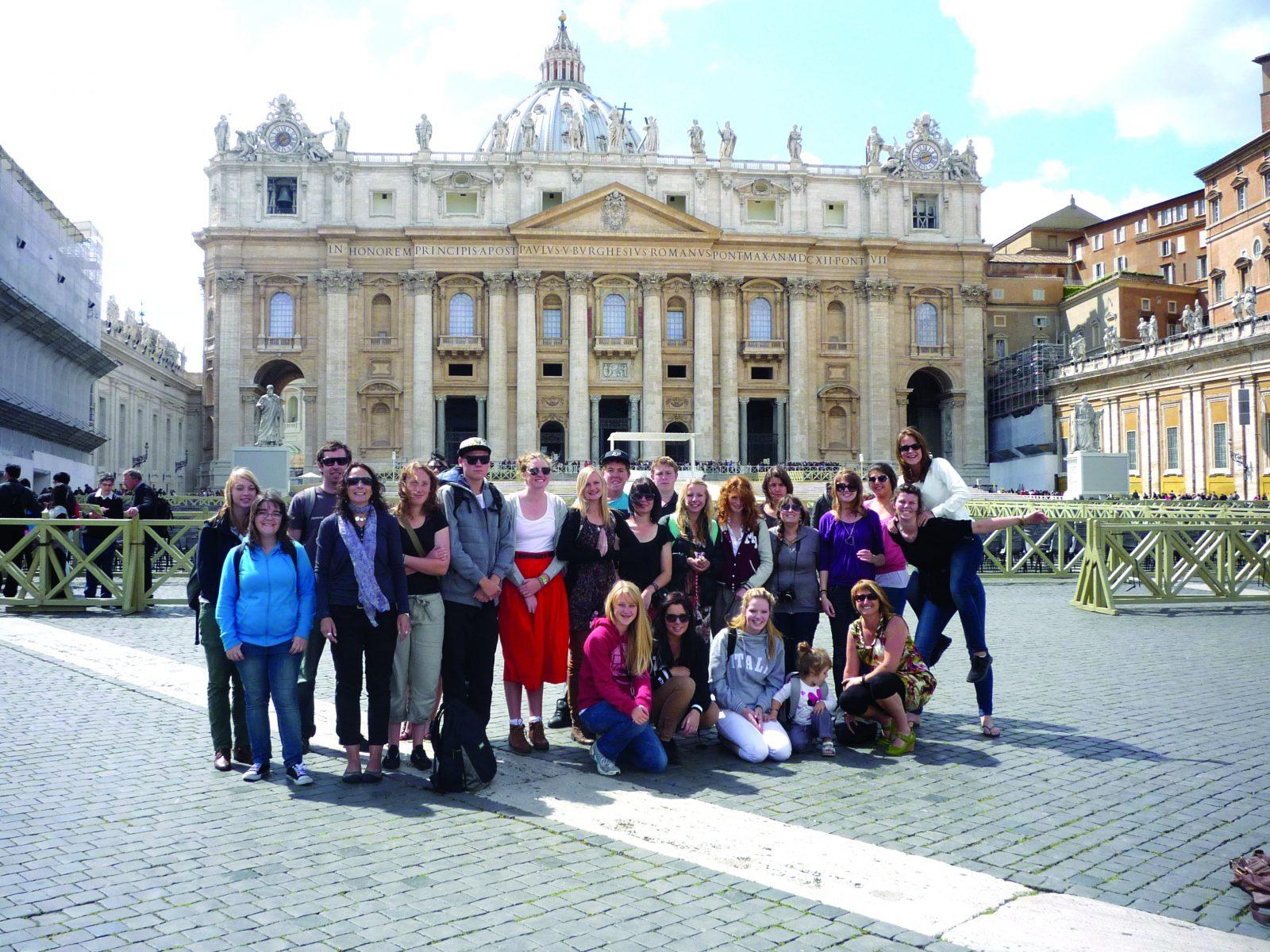
2 St Peter’s and the Vatican Museum then on to the Pantheon or Gladiator School
3 Piazza Navona for an ice cream – evening meal
1 Breakfast and check-out of accommodation
2 Visit Ostia Antica (flight time permitting)
3 Airport for return flight to the UK
Recommended excursions
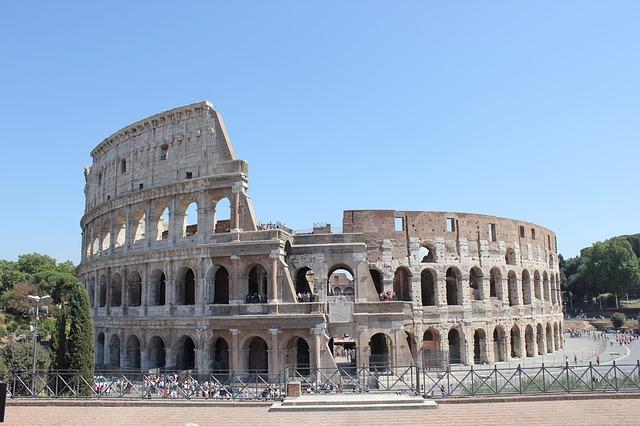
Colosseum, Rome
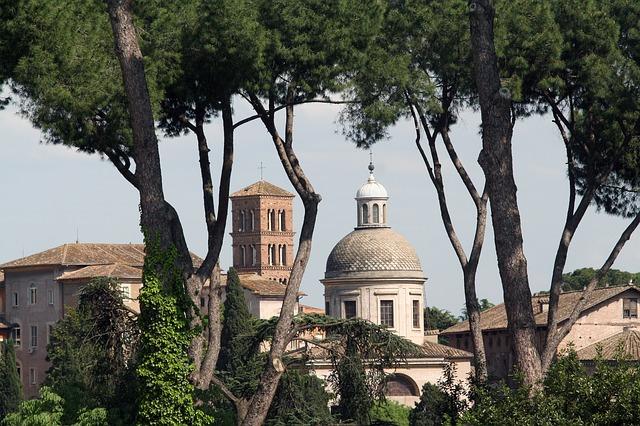
Palatine Hill
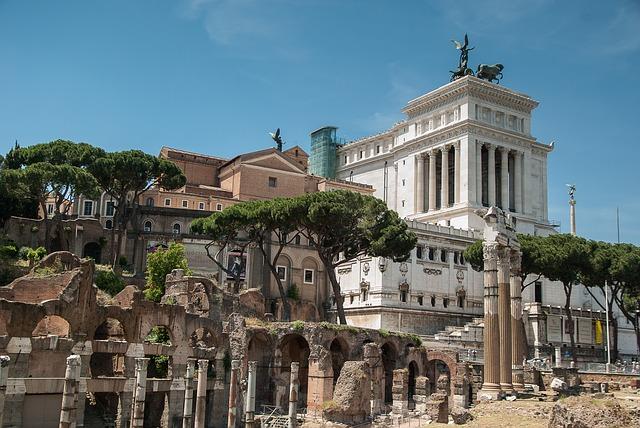
The Roman Forum
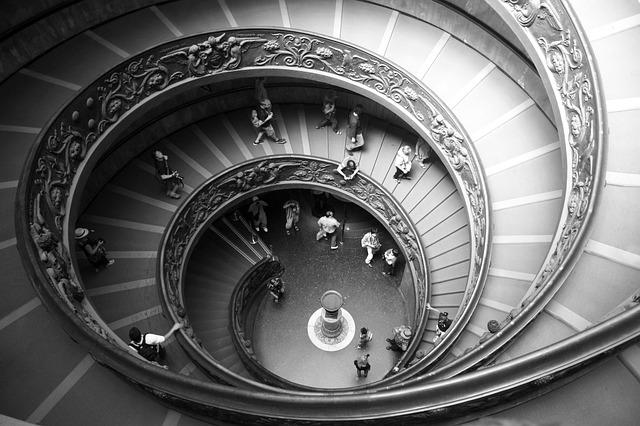
The Vatican
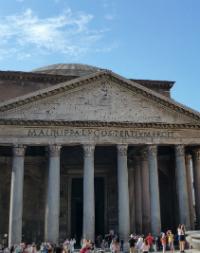
The Pantheon
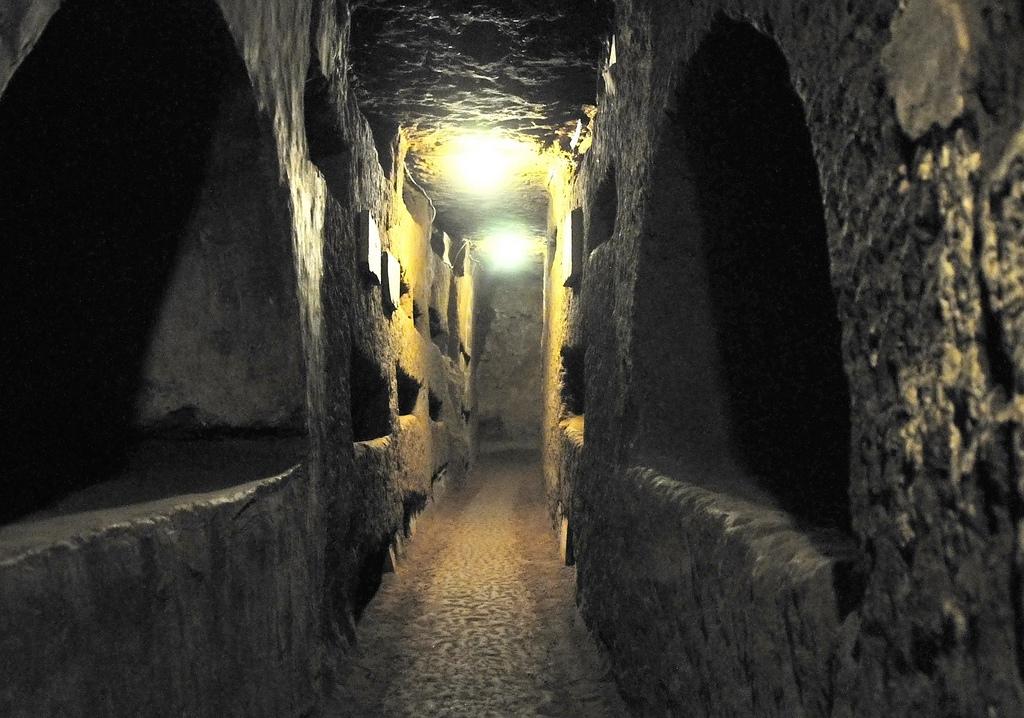
The Catacombs, Rome
Ostia Antica
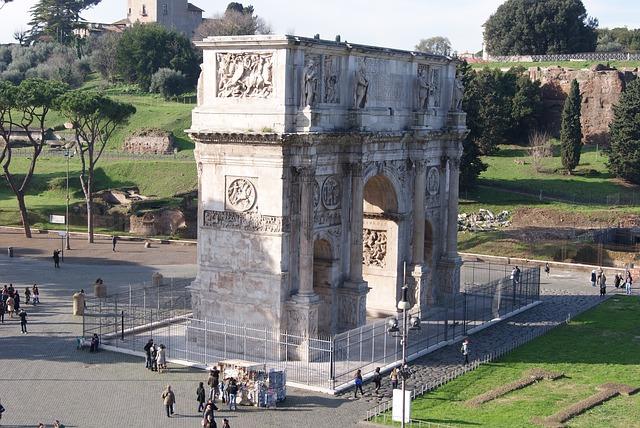
Arch of Constantine
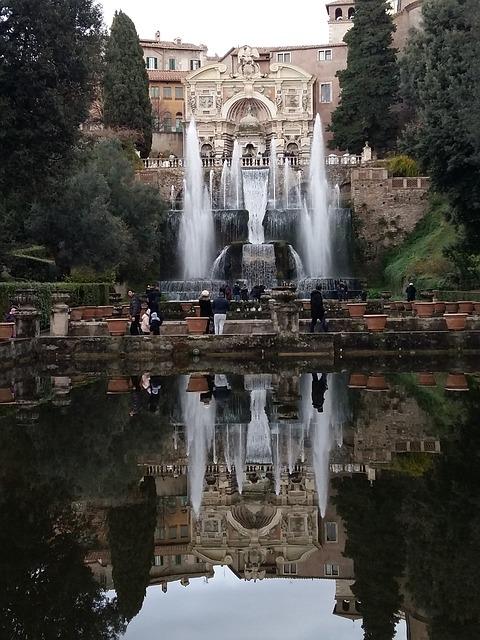
Hadrian’s Villa, Tivoli
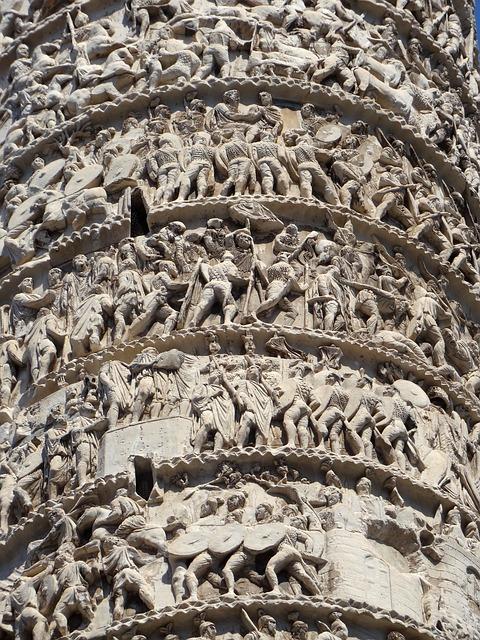
Trajan’s Column
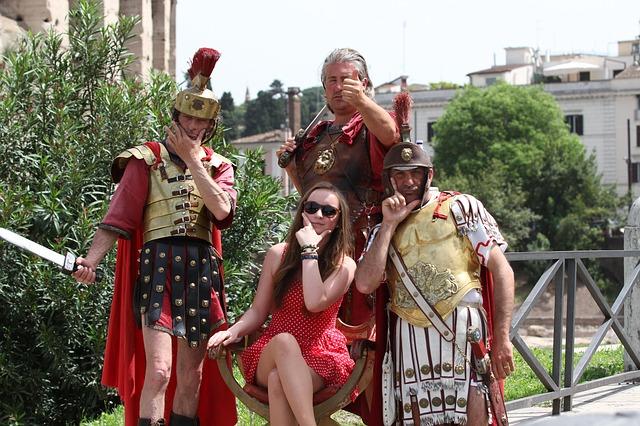
Gladiator Training School
Trevi Fountain
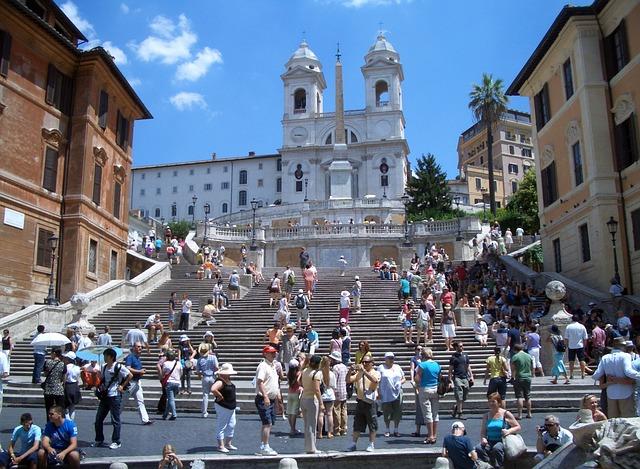
Spanish Steps
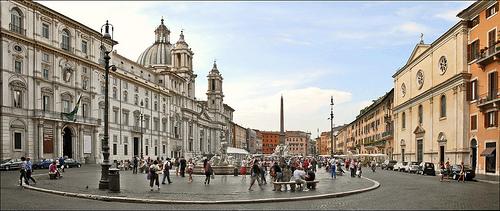
Piazza Navona
Learning outcomes
Subject focus
Learners will:
- Study the remains of Roman civilisation to see what can be reconstructed and understood from these buildings
- See the city that created some of the great poets and writers of Roman literature and discover what inspired them
- View archaeological sites and sculptures specified in OCR/AQA syllabuses
Student outcomes
Students will have had an opportunity to:
- Study Roman architecture and modern archaeological techniques at first hand
- See the places they’ve learnt about in their studies – for example, from the life and career of Cicero – and gain a better understanding of the context
- Assess the societal and technological changes that took place throughout ancient Roman history
- Evaluate the historical and continuing influence of Roman themes and ideas
Typical accommodation
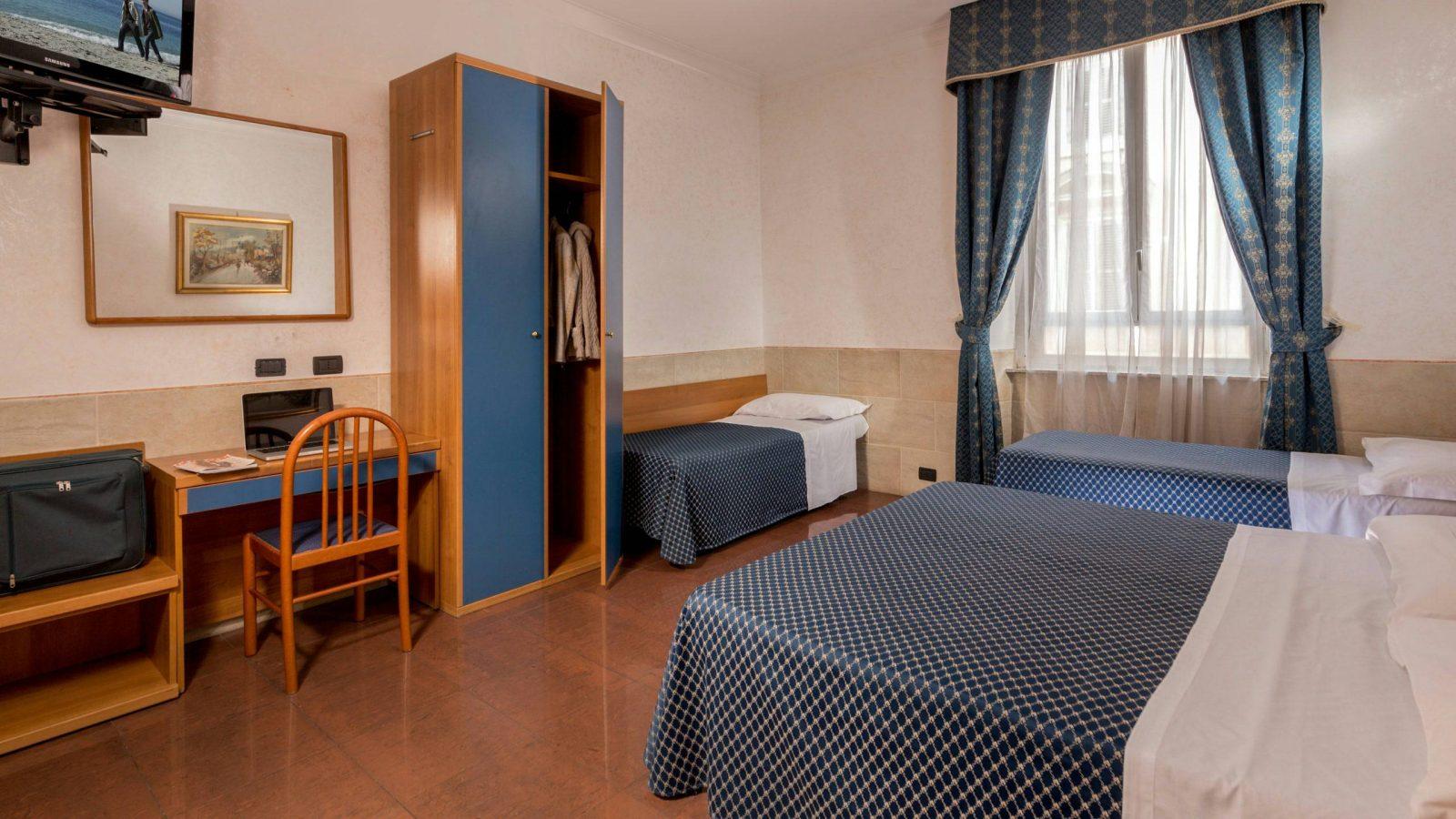
Hotel Luciani ★★
Why groups like it:
- Located perfectly for public transport, it’s 50m from bus and Metro stops
- 100m from the Stazione Termini
- 24-hour reception desk and multilingual staff make this great for groups
Facilities:
- Snack bar and Wi-Fi access
- TV room
- Continental breakfas
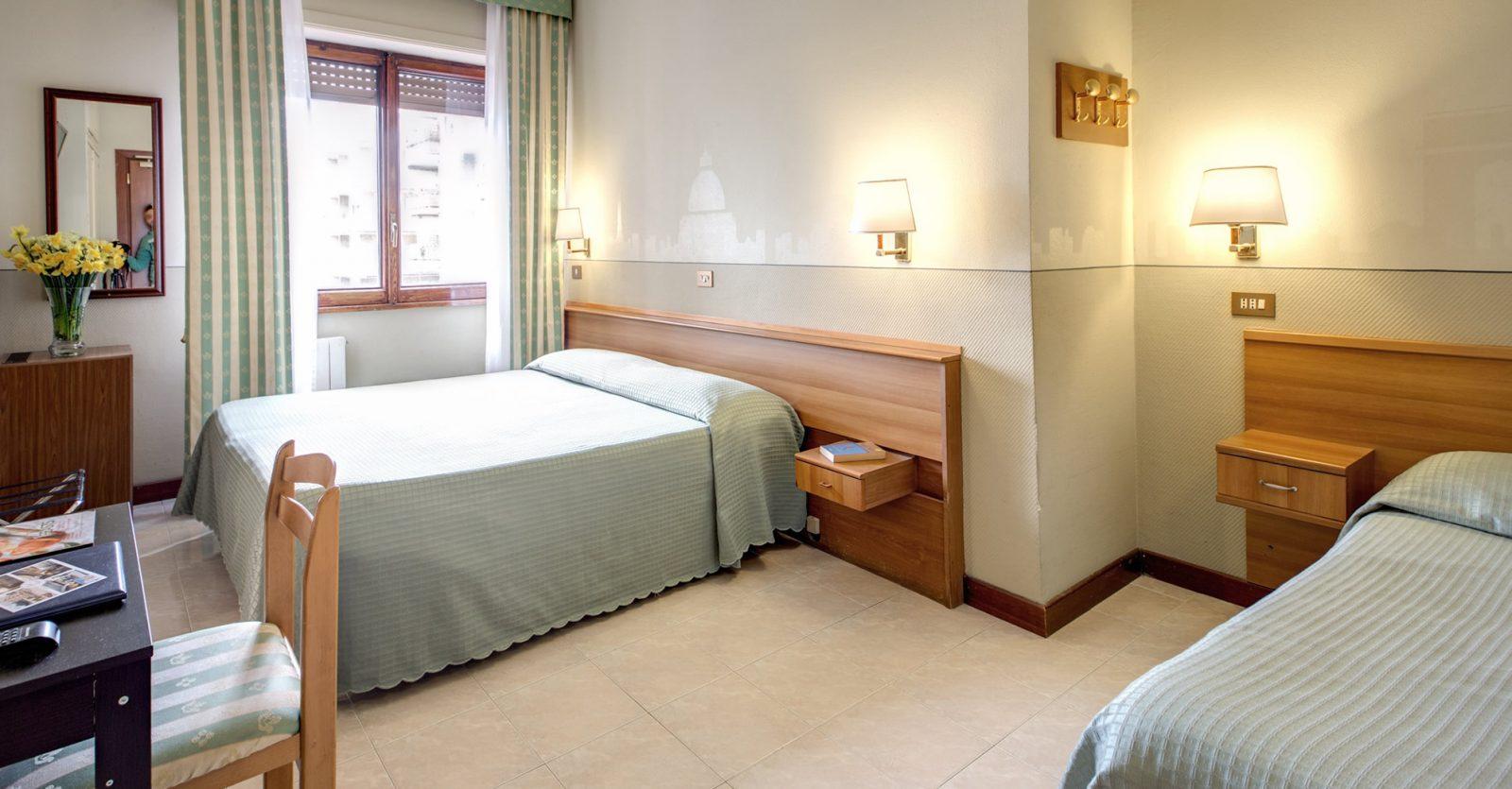
Hotel Pacific, Rome ★★★
Why groups like it:
- Located close to St Peter’s Square and the Vatican in a respectable neighborhood
- 1.5km from Stadio Olimpico stadium for football fans
- Close to the main train station where your group can catch a Metro line to all the famous sights
Facilities:
- Soundproofed rooms
- All rooms with private bathrooms
- Satellite TV lounge & buffet breakfast
“
I have used Travelbound for 6 of the 7 Classical Tours that I have organised and they are by far the best (organisation and value for money).
Royal Grammar School


Book with confidence
Ready to arrange your next adventure?
Request a quote today. Enter your name and email to begin your no obligation quote tailored to your group and learning objectives.