Our Spanish Language Immersion Programmes are designed around a simple idea: every experience should contribute to a student’s learning journey.
From the moment your enquiry is received, we work with you to create a curriculum-led programme that links language acquisition, cultural understanding and educational outcomes into one connected experience. Rather than a collection of excursions, students follow a structured learning narrative that develops before, during and after travel.


Every destination is designed around its own enquiry question, guiding students as they investigate, discuss and answer it while developing their Spanish language skills and cultural understanding.
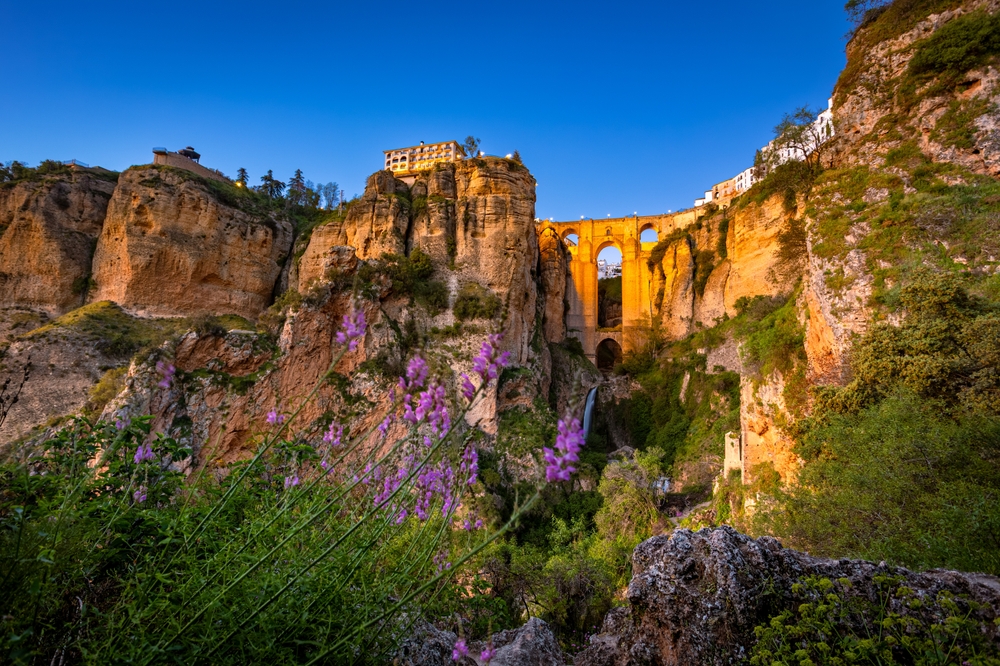
Modern Andalusia and authentic culture
Well-suited to exploring artistic culture, food and regional identity.
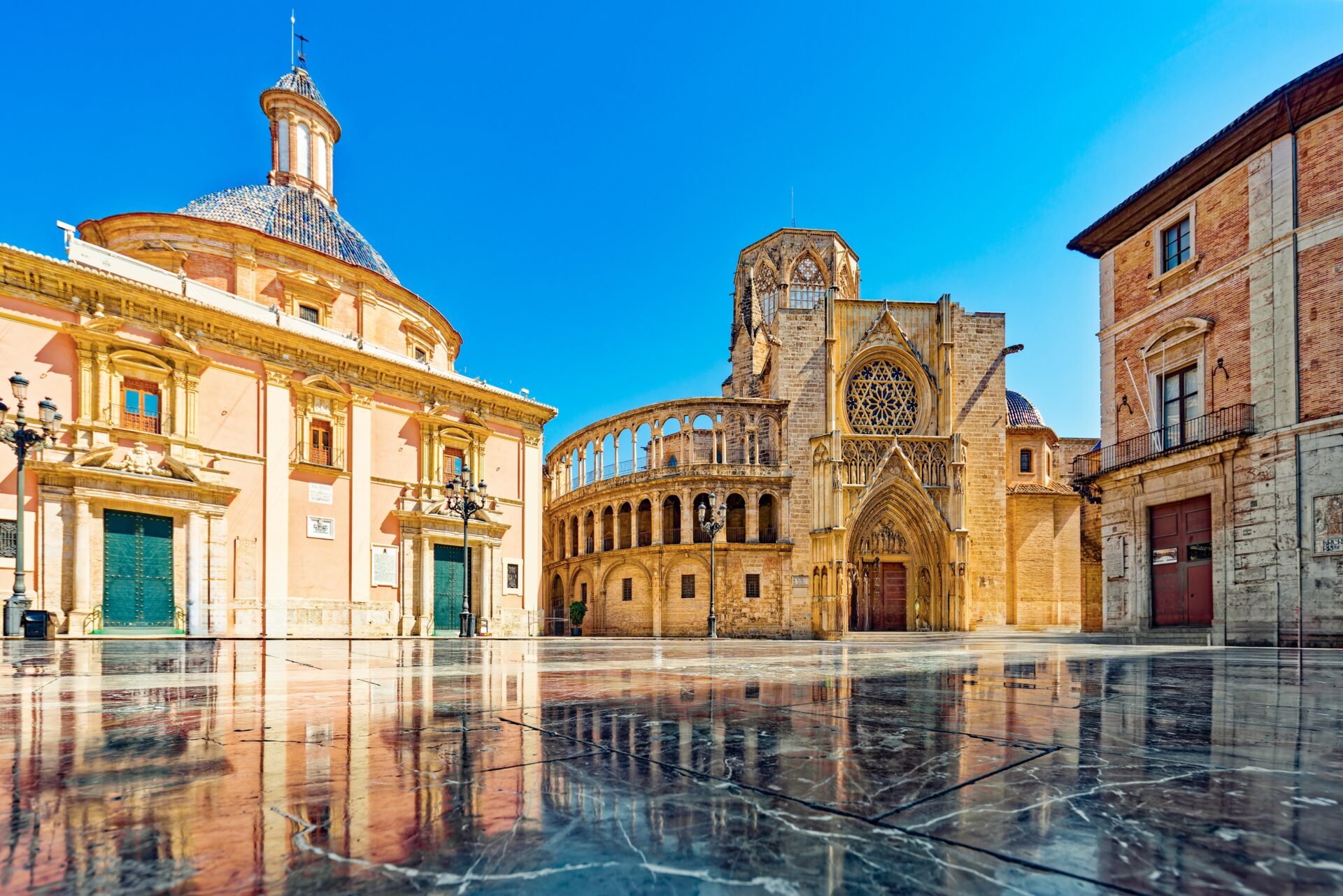
Innovation, sustainability and identity
Blends traditional Spanish culture with contemporary Spain – ideal for food traditions, science and sustainability.
Spain’s capital and modern identity
Offers strong links to exploring politics, monarchy, sport, media and modern Spanish society.
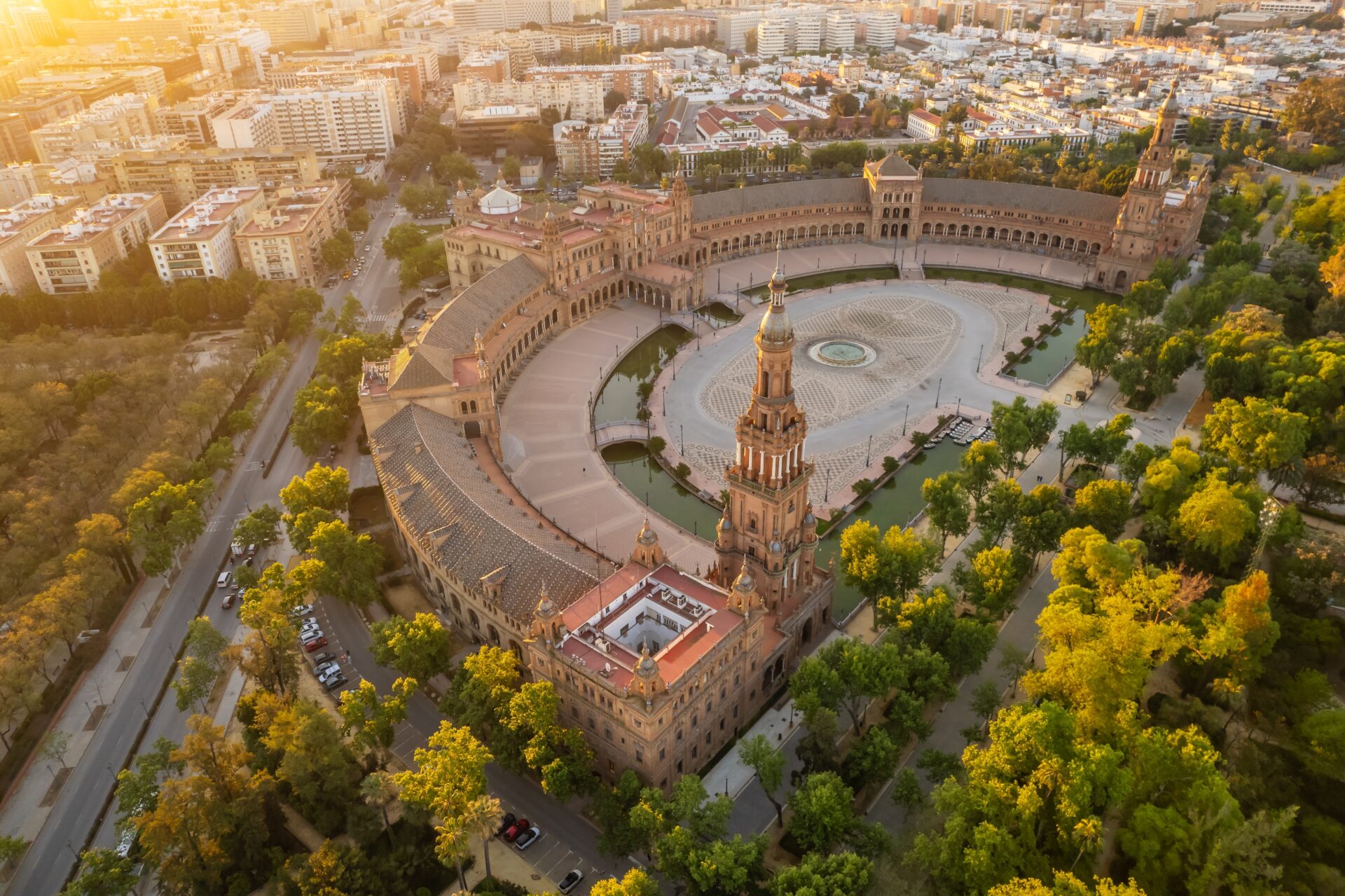
Andalusian culture and heritage
Offers deep connections to Spain’s traditions, artistic culture, religion and multicultural history.
Every programme is tailored from the moment a school submits an enquiry. Through our initial consultation, we identify GCSE or A-Level requirements, key curriculum topics, desired learning outcomes, student abilities and interests, and preferred destination and experiences.
Every programme is built around a structured learning journey linked directly to GCSE and A-Level outcomes, rather than a list of excursions.
Curriculum experiences are selected according to curriculum themes, language outcomes and student needs.
Students use Spanish in meaningful situations with native speakers throughout the programme.
Programmes are designed to support curriculum objectives and build confidence in language use, communication and cultural understanding.
A learning narrative transforms a school trip from a series of activities into a purposeful educational journey. Instead of simply visiting a market, attending a lesson or exploring a city, every curriculum experience contributes to a wider enquiry question linked directly to GCSE or A-Level curriculum objectives.
Rather than a collection of excursions, we design a structured learning journey where every activity builds on the previous one and contributes to an overarching theme, question, or learning objective.
A learning narrative:
Every Spanish Language Immersion Programme is designed as a structured learning journey that begins before departure, continues through daily challenges and cultural encounters in Spain, and concludes with reflection and curriculum-linked activities back at school.
Before they depart, your students will:
Students complete daily challenges linked to curriculum themes. They will be able to:
Students can reflect on their experiences and connect them to GCSE or A-Level topics:
During the trip, students progress through four stages: Observe → Interact → Analyse → Reflect.
This mirrors the progression expected at GCSE and A-Level.

Our how-to guide walks you through every stage of the process, from securing school and parent approval to planning logistics and choosing the right destination, helping you create a rewarding experience for your students.
“
Really pleased with the level of professionalism I have received from Travelbound and the speed of response if I have had an issue.
Testbourne Community School

“
This is the second time I have used Travelbound and I would definitely recommend to a friend. I was happy with the organisation of the
trip and also how quickly emails were returned. I felt TB staff were always there to assist.
Our Lady’s High School

If you have any questions or would like to book your Spanish language immersion trip, please contact our educational specialists on 01273 244572 or request a quote below, tailored to your group and learning objectives.
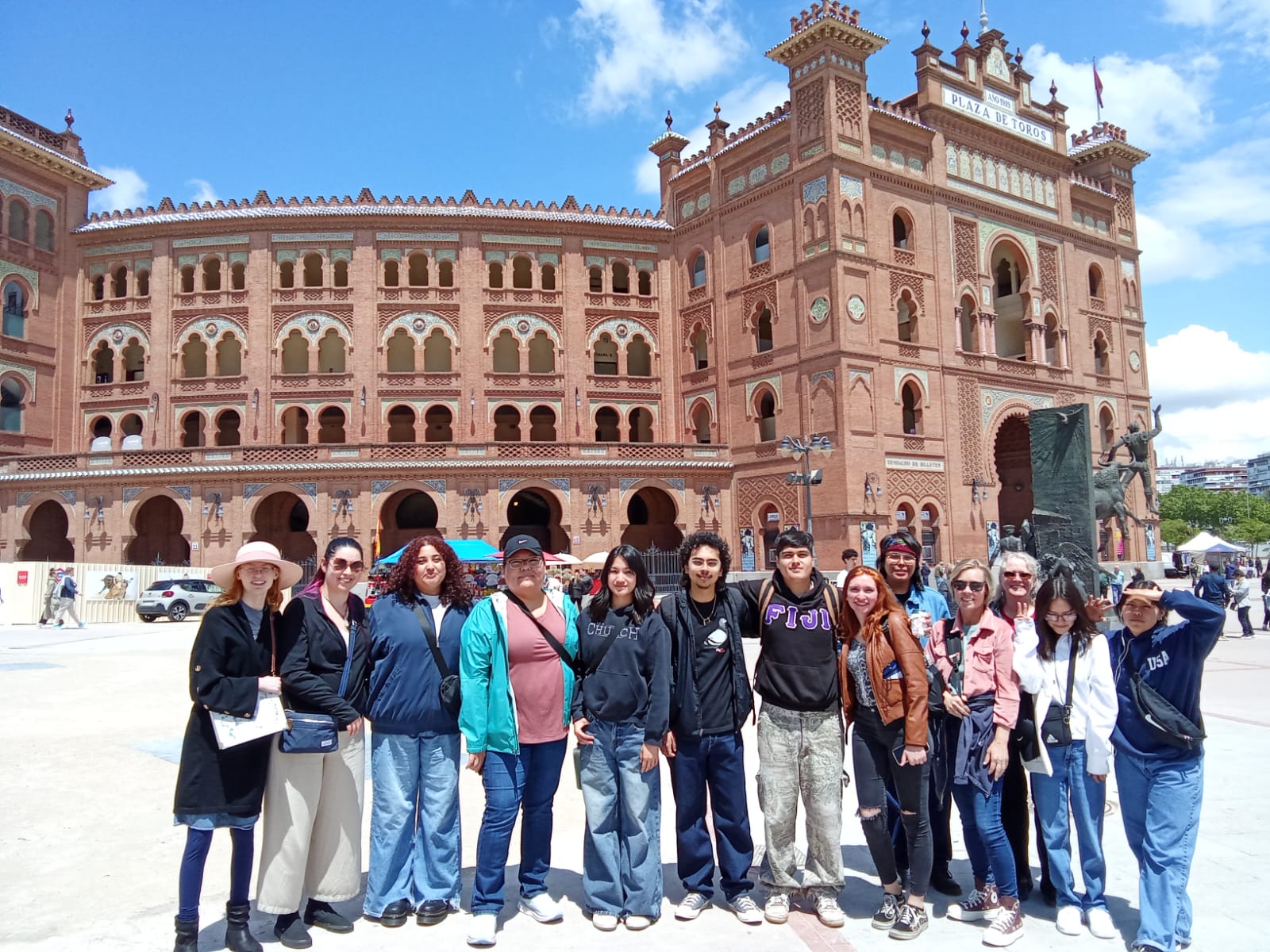
Programmes typically include return travel from school, flights, overseas transfers, accommodation, language lessons, selected cultural visits and excursions, plus meals as outlined in the itinerary. Specific inclusions may vary by destination and programme design.
Individual itineraries and inclusions are confirmed at quotation stage and tailored to school requirements.
Every programme is built around a curriculum-led learning narrative, with experiences selected to support key GCSE and A-Level themes such as identity, culture, customs, food, tourism, social issues, politics, artistic culture and regional identity.
Travelbound works with schools from the initial enquiry stage to align the programme with specific learning objectives.
Accommodation is selected specifically for school groups and may include hotels, hostels, student residences or other group-friendly options, depending on destination, budget and availability.
Accommodation details will be confirmed as part of the final proposal and booking process.
Breakfast is typically included daily, with many itineraries also including evening meals in local restaurants. Some lunches are under the school’s own arrangements, providing flexibility during sightseeing and language activities, as well as an opportunity for students to use their Spanish.
Specific meal arrangements will be clearly outlined in the itinerary and quotation.
Yes. Flexibility is a core feature of the programme. Activities, excursions and learning outcomes can be adapted to support particular GCSE topics, A-Level themes, enrichment objectives or Independent Research Projects.
This forms part of Travelbound’s “Creating a Learning Narrative” approach.
Absolutely. Each destination offers experiences that can be adapted for different age groups and abilities. Programmes support both GCSE language development and more advanced A-Level themes such as politics, regional identity, social issues, artistic culture and heritage.
Learning objectives and activities can be differentiated according to the group’s needs.
School staff remain responsible for the supervision and welfare of students throughout the trip. Local guides, activity providers and language school staff support programme delivery where appropriate.
Recommended staff-to-student ratios should be determined in accordance with school policies and risk assessments.
All travellers will require a valid passport. Visa requirements depend on nationality and travel regulations in force at the time of travel.
Schools and parents should check current UK Government and Spanish entry requirements before departure. Passport validity requirements should also be reviewed well in advance of travel.
Travelbound aims to make programmes as accessible as possible and will work with schools to understand any mobility, medical, dietary or learning requirements during the planning process.
Accessibility can vary between destinations, accommodation providers and historic attractions, so requirements should be discussed as early as possible.
Students follow a structured learning journey that begins before departure, develops through language lessons and cultural experiences in the country, and concludes with reflection and curriculum-linked activities back at school. Each activity contributes to an overarching enquiry question, helping students connect their experiences to classroom learning.
This is the key feature that differentiates this programme from a traditional school tour.