How to build your school’s STEM programme through science school trips and activities
STEM is a curriculum and careers priority for many schools, but building a genuine ‘programme’ can feel like a huge undertaking. If you’re looking to spark curiosity in science for your students, science school trips and activities are the perfect way to create a STEM programme that isn’t just theory.
With Travelbound, schools can weave science school trips and activities into a joined-up STEM offering across all year groups. From KS3 to A-Level, exploring science through adventure creates experiences that go far beyond the curriculum – they seep into students’ goals and aspirations for their future careers.
Whilst science school trips and activities cannot stand alone in building a strong STEM programme, they are a great tool to take scientific principles from page to planet.

Why science school trips and activities matter for your STEM programme
With a STEM skills shortage in the UK, introducing children to science in action is a great way to boost their employability and teach them about possible future careers. STEM school trips expose students to real science careers: from aerospace engineers to roboticists and conservation scientists. These are opportunities they just wouldn’t get inside a classroom.
Plus, hands-on, experiential learning increases retention and enthusiasm compared to textbook-only teaching – particularly for students who may struggle to understand the importance of science and how it impacts the world. Students can also gain valuable life skills like independence, teamwork and confidence, meaning that while not every student will have a STEM career, every student will be shaped by a STEM trip.
Of course, science school trips and activities are also a huge asset to enriching the science curriculum. STEM school trips bring KS3, GCSE and A-Level topics to life in a way that supports classroom teaching. Teach topics like forces, ecosystems, robotics and sustainability through practical exploration, and get kids excited about science!
The building blocks of a whole-school STEM programme
A trip is just one layer of a school’s STEM programme – but it’s still an important one. When looking at building science trips and activities into your school’s STEM programme, make sure you consider these key points:
- Progression across year groups: Build from a light-touch KS3 short haul trip to a more immersive GCSE residential, all the way to topic-specific post-16 options for older students.
- Blend local and residential: Look to blend in-school workshops, science fairs, guest speakers and clubs throughout the year with a flagship STEM trip that kids can get excited for.
- Cross-curricular integration: STEM isn’t just about science – it touches a wide range of departments including geography, D&T and computing. To help with timetabling and budget, work with the Travelbound team to build a STEM trip that can serve multiple subjects.
- Calendar planning: Aligning your STEM trips with British Science Week, careers week or subject options timing builds momentum and excitement for students.
- Sustaining interest between trips: A single big trip is the perfect anchor for STEM clubs and activities to reference all year. For example, a science club could work on a conservation project before heading on a biology trip to Chengdu.


What makes a strong science school trip or activity
Here’s our checklist for a successful science school trip or activity:
- Clear curriculum mapping (as the curriculum travel specialists, we’ve got this part covered!)
- Genuinely hands-on rather than purely observational
- Balance of challenge and accessibility for mixed-ability groups
- Safety and accreditation with 24/7 emergency support
- Extended learning once back in the classroom
Three new science school trips you should be aware of
Ready to take science from page to planet? Here are three new STEM trips that show what a strong science trip looks like in practice, and what it can add to your school’s STEM programme.
Alabama Space Camp, USA
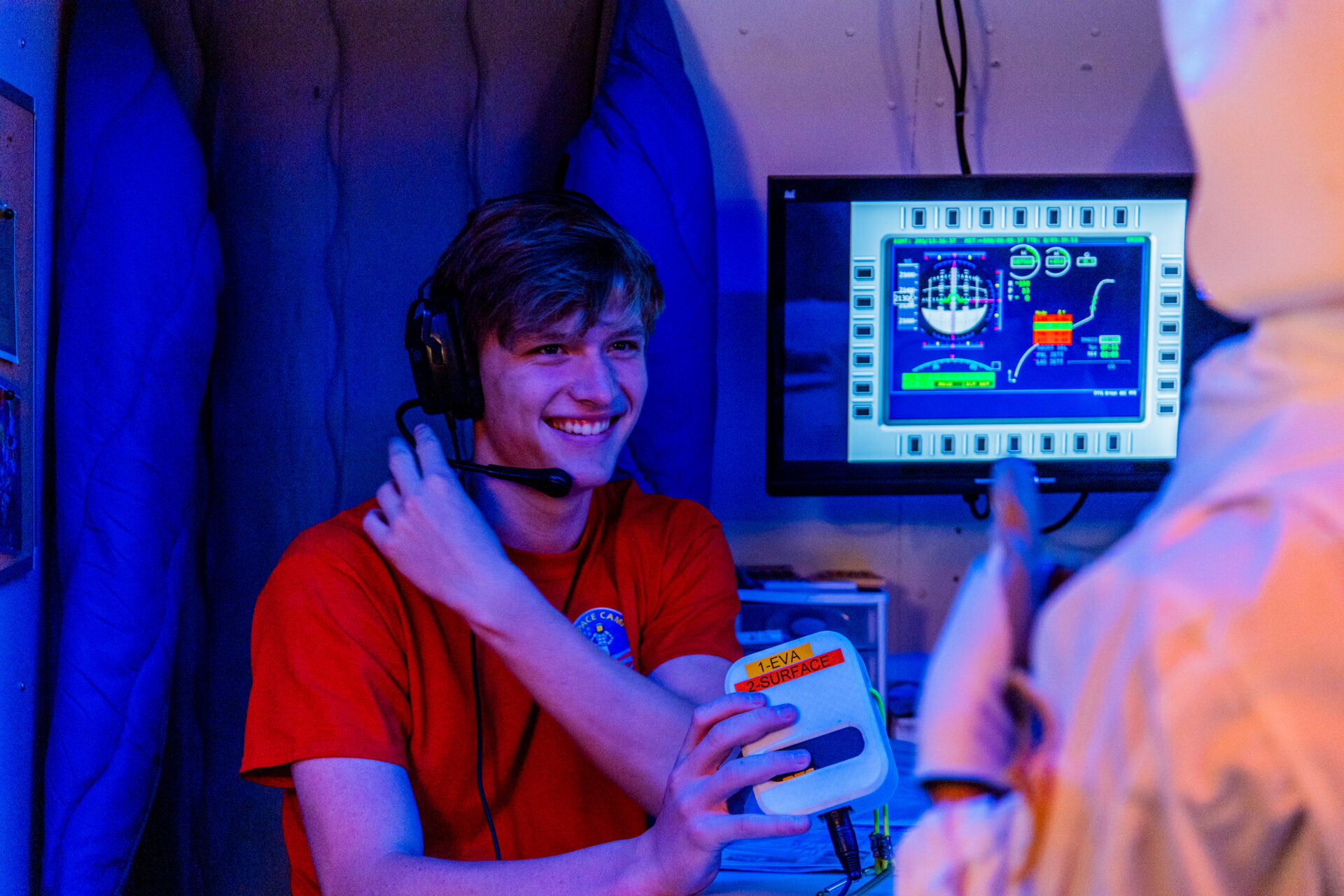
Based at the U.S. Space & Rocket Center in Huntsville, this trip offers students the chance to experience astronaut training simulators, engineering and rocket building challenges, and simulated moon/mars missions. The trip offers real career links with a 1-million-plus alumni network and real astronaut connections, and also covers key curriculum topics like space physics, forces and motion, robotics, engineering and STEM careers.

Science and innovation tour, South Korea
Explore science through a Seoul-based innovation trail, including key STEM centres like Hyundai Motorstudio, Samsung Innovation Museum and the Seoul Robot & AI Museum. This trip also offers students a chance to get truly immersed in a new culture through experiences such as visiting Gyeongbokgung Palace and (a key favourite among many students) a K-pop workshop! This trip offers great links to curriculums from KS3 to A-Level, such as technology and society, AI and computational thinking, robotics and automation.
Biology and conservation, China
A great conservation-led alternative to a ‘tech’ STEM trip, this biology-focused trip offers students the opportunity to live alongside Giant Panda National Park, taking part in ranger-style patrols, habitat restoration, biodiversity fieldwork, plus a cultural exchange with a local school. This trip is ideal for biology, science and geography curriculums, with links to ecosystems, biodiversity, conservation and sustainability and fieldwork skills.

We know that ‘STEM’ isn’t a one-size-fits all. Each of these trips take a different angle on STEM – from aerospace engineering to biology and conservation. Further destinations and opportunities for science school trips and activities are also available, with options for every type of school and curriculum. Find out about all of our STEM trips here.
Frequently asked questions
What are science school trips and why are they important?
Science school trips take classroom learning out into the real world – from hands-on workshops to fieldwork to visits to research centres, museums and conservation sites. They matter because they turn abstract topics like forces, ecosystems or robotics into something students can see, touch and experience first-hand. Beyond the curriculum, they build independence, teamwork and confidence, and give students a genuine sense of what a career in science, technology, engineering or maths could look like.
What age groups are science school trips suitable for?
Science school trips can be tailored for almost any age group, but they work particularly well for KS3 and GCSE students, when curriculum topics like ecosystems, forces and emerging technologies are front and centre. Many itineraries can also be adapted for post-16 and A-Level groups, with a stronger focus on specialist topics such as astrophysics, engineering or biodiversity. The key is matching the level of challenge and independence in the activities to the age and ability of the group, which is why Travelbound’s trips offer flexibility in how they’re delivered.
Do science school trips count towards curriculum requirements?
Yes, when they’re properly planned, science school trips can map directly onto KS3, GCSE and A-Level curriculum content, including forces and motion, working scientifically, ecosystems and biodiversity, or emerging technologies and computational thinking. Many can also support cross-curricular teaching in geography, computing or design and technology.
How do I choose the right STEM trip for my school?
Start with what you want the trip to achieve: is it curriculum reinforcement, careers inspiration or a flagship experience to anchor a wider STEM programme? From there, look for clear curriculum mapping, genuinely hands-on activities rather than passive sightseeing, expert-led delivery and accreditation or safety credentials you can trust. It’s also worth checking how flexible the itinerary is, as the best trips can be adapted to your group’s interests, ability level and budget – like those offered at Travelbound.
Ready to plan your next STEM trip?
Contact our school trip experts and start planning.